
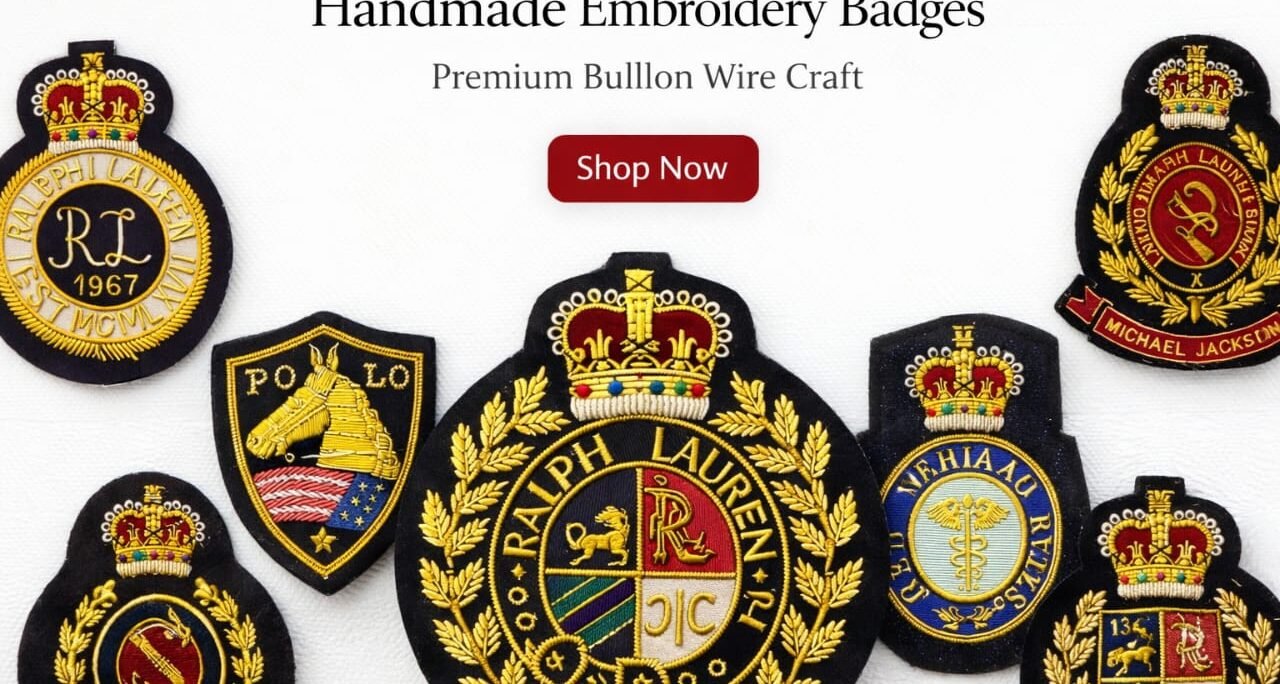
Handmade embroidery is more than just decorative stitching—it is a reflection of tradition, identity, and artistry passed down through generations. In Pakistan, embroidery holds deep cultural value, representing the rich heritage of different regions. From vibrant threadwork to intricate patterns, handmade embroidery from Pakistan continues to gain global recognition for its beauty and craftsmanship.
The Cultural Roots of Handmade Embroidery
Handmade embroidery in Pakistan is deeply rooted in regional traditions. Each province has its own unique style, techniques, and patterns. For example, Sindhi embroidery is known for its bold colors and mirror work, while Balochi embroidery features detailed geometric patterns created with fine precision.
This art form is often practiced by skilled artisans, many of whom learn the craft within their families. The techniques are not just taught—they are inherited, making each embroidered piece a story of heritage and personal expression.
Why Handmade Embroidery Stands Out
In a world dominated by machine-made products, handmade embroidery stands apart due to its uniqueness and attention to detail. Each stitch is carefully crafted, making no two pieces exactly the same.
Here are a few reasons why handmade embroidery from Pakistan is highly valued:
- Authenticity: Every piece reflects genuine craftsmanship.
- Quality: Hand stitching ensures durability and precision.
- Cultural Identity: Designs often represent local traditions and history.
- Eco-Friendly: Handmade products typically use less machinery and energy.
Unlike mass-produced items, handmade embroidery carries a personal touch that adds emotional and artistic value to the final product.
Popular Types of Pakistani Embroidery
Pakistan is home to a variety of embroidery styles, each with its own charm. Some of the most popular types include:
- Sindhi Embroidery: Known for mirror work and colorful patterns.
- Balochi Embroidery: Features intricate and dense threadwork.
- Kashmiri Embroidery: Elegant floral designs with fine detailing.
- Punjabi Phulkari: Bright, bold floral patterns stitched on shawls and dupattas.
These styles are commonly used in clothing, home décor, accessories, and even modern fashion designs.
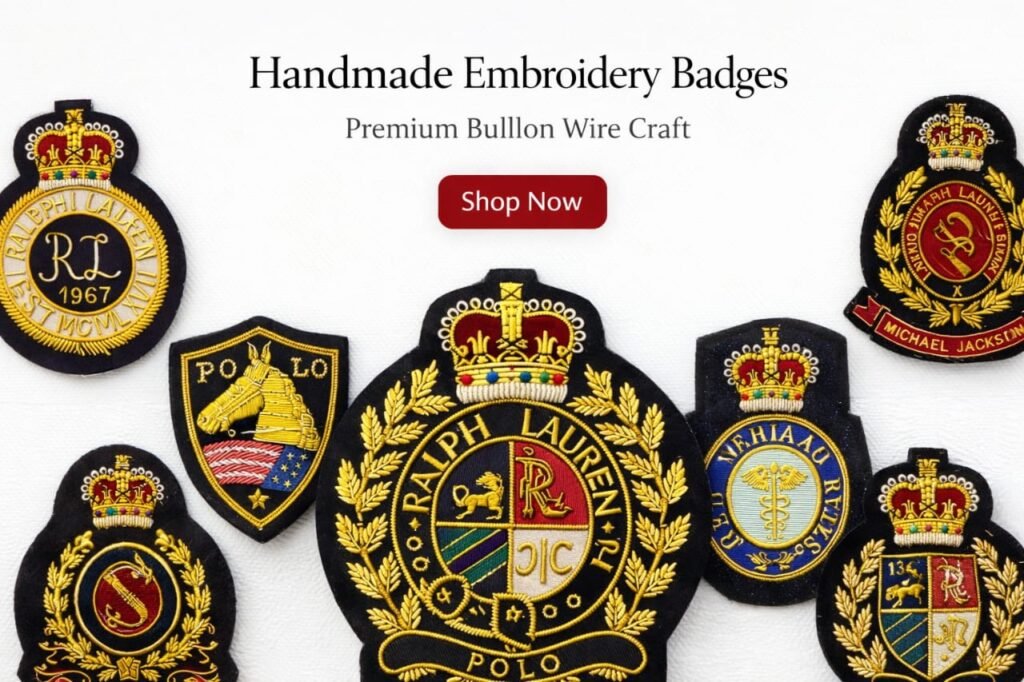
The Process Behind Handmade Embroidery
Creating handmade embroidery is a time-consuming process that requires patience and skill. It begins with selecting the fabric and designing the pattern. The artisan then carefully stitches each element using threads of different colors and textures.
Depending on the complexity, a single piece can take hours, days, or even weeks to complete. This level of dedication is what makes handmade embroidery truly special.
Global Demand and Modern Trends
Handmade embroidery from Pakistan is not just limited to local markets—it has gained popularity worldwide. Designers and fashion brands often incorporate traditional embroidery into modern outfits, blending culture with contemporary style.
International buyers appreciate the uniqueness and craftsmanship of Pakistani embroidery, making it a valuable export product. From luxury fashion to handmade accessories, the demand continues to grow.
Supporting Local Artisans
When you choose handmade embroidery, you are not just buying a product—you are supporting skilled artisans and their livelihoods. Many embroidery workers rely on this craft as their primary source of income.
Promoting handmade products helps preserve traditional skills and empowers local communities, especially women who play a major role in this industry.
Conclusion
Handmade embroidery from Pakistan is a beautiful blend of tradition, creativity, and craftsmanship. It represents centuries of cultural heritage while adapting to modern trends. Whether used in fashion or décor, each embroidered piece tells a story of dedication and artistry.
Choosing handmade embroidery means valuing authenticity, supporting artisans, and keeping a rich cultural tradition alive.
FAQs About Handmade Embroidery
1. What makes handmade embroidery unique?
Handmade embroidery is unique because each piece is individually crafted by artisans, ensuring no two designs are exactly the same.
2. Is handmade embroidery better than machine embroidery?
Yes, handmade embroidery is often considered superior due to its quality, detail, and personal touch, although it may take more time and cost more.
3. How long does it take to create handmade embroidery?
It depends on the design complexity. Simple pieces may take a few hours, while detailed work can take several days or weeks.
4. Where can handmade embroidery be used?
It is commonly used in clothing, shawls, home décor items, bags, and accessories.
5. Why is Pakistani embroidery famous worldwide?
Pakistani embroidery is known for its rich cultural designs, vibrant colors, and skilled craftsmanship, making it highly valued in global markets.