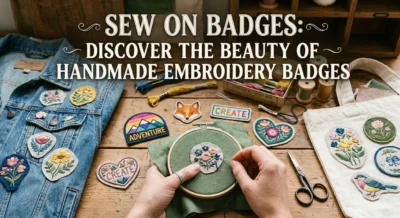


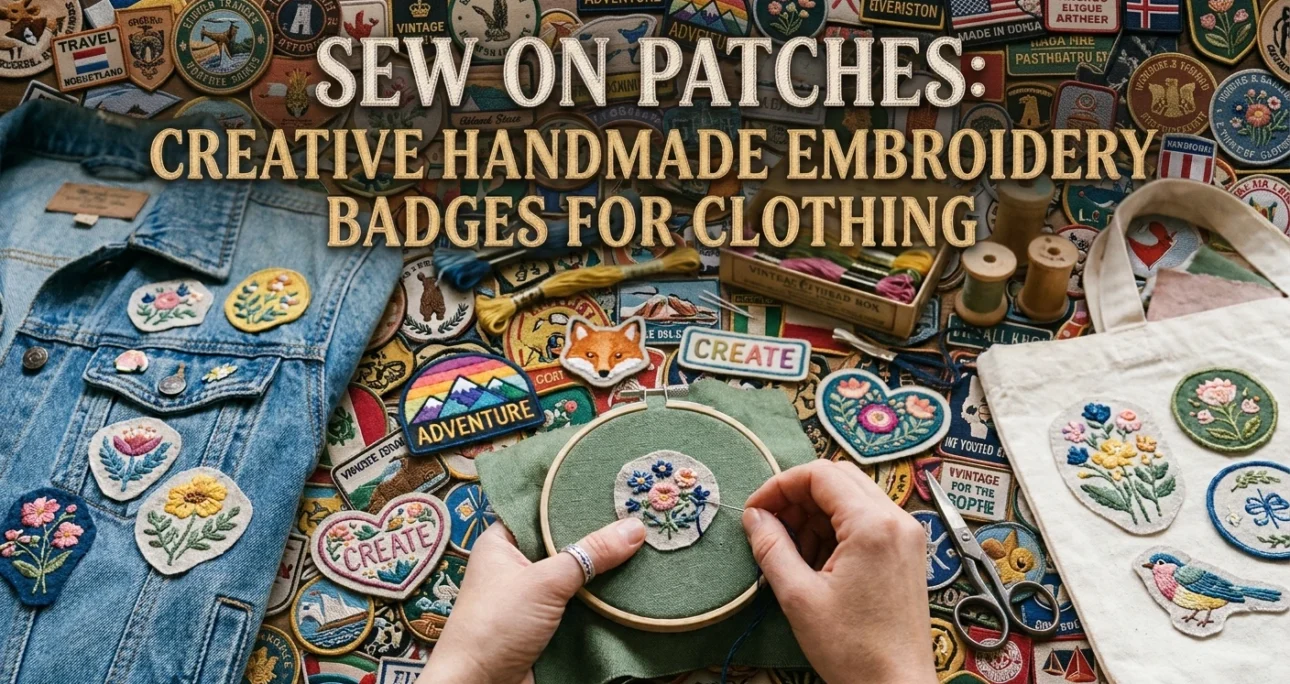
Sew on patches offer a simple yet creative way to upgrade clothing, personalise accessories, and bring new life to everyday fabric items. From decorative denim jackets to customised tote bags, embroidered patches provide an attractive way to showcase individual style. Whether you prefer traditional embroidery, modern patterns, or personalised designs, these versatile accessories can make ordinary garments look more distinctive.
Sew-on handmade embroidery badges are particularly popular among people who appreciate detailed craftsmanship and unique fabric decorations. Their stitched designs add texture, colour, and character to different materials, making them suitable for fashion projects, DIY crafts, and personalised gifts.
What Makes Sew On Patches Special?
Sew on patches are fabric decorations attached to clothing or accessories with needle-and-thread stitching. Unlike adhesive-based alternatives, these patches are secured directly to the material, creating a traditional finish that can be suitable for regular use.
They come in numerous designs, including flowers, animals, geometric shapes, lettering, symbols, and custom artwork. Some are designed to make a bold fashion statement, while others offer subtle details that complement the original garment.
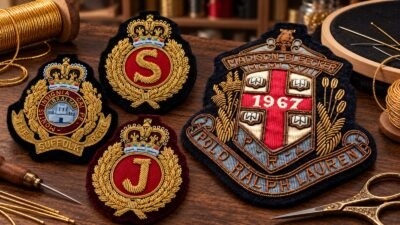
Handmade embroidery badges stand out because of their textured stitching and attention to detail. The combination of colourful threads and carefully developed patterns creates a decorative finish that printed designs may not fully replicate.
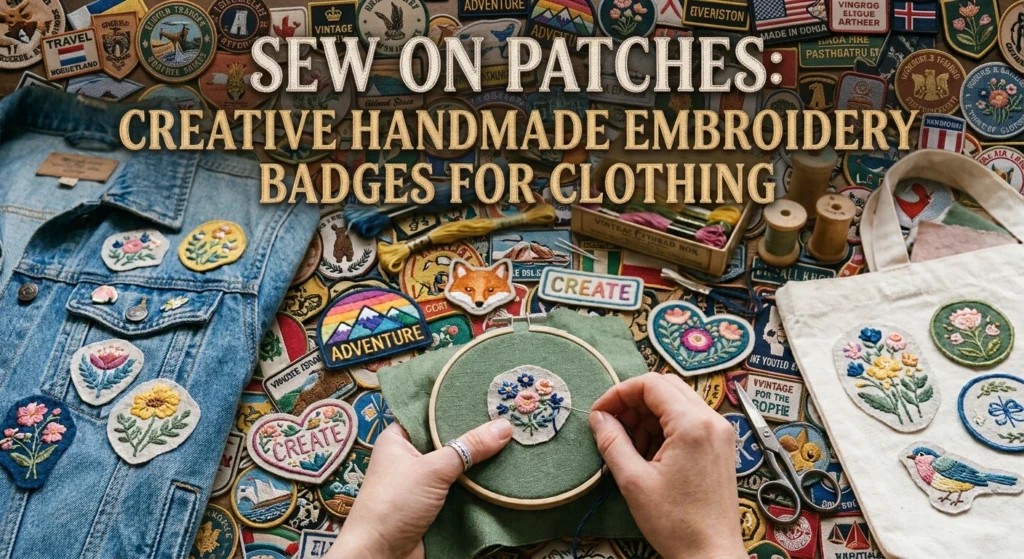
Benefits of Sew-On Handmade Embroidery Badges
Choosing handmade embroidered patches provides several advantages for people who enjoy customising their clothing and accessories.
1. Personalised Fashion
One of the biggest benefits of sew-on handmade embroidery badges is the ability to express your personality through clothing. You can choose designs that reflect your interests, favourite colours, or preferred fashion style.
A floral patch can soften the appearance of a denim jacket, while bold lettering can give a backpack or shirt a more modern look. These small details help transform mass-produced clothing into something more individual.
2. A Textured and Attractive Finish
Embroidery creates a raised, textured appearance through stitched threads. This gives sew on badges a distinctive look that works well with casual clothing, handmade accessories, and creative fashion designs.
The quality of the thread, stitching density, and finishing around the edges all contribute to the final appearance.
3. Versatile Applications
Sew on patches are suitable for many textile projects, including jackets, jeans, shirts, caps, canvas bags, aprons, and craft items. Their versatility makes them useful for both personal projects and professional garment customisation.
4. An Affordable Clothing Refresh
Updating your wardrobe does not always require buying new clothes. Adding an embroidered badge can refresh an older jacket, personalise a plain shirt, or decorate an accessory you already own.
Patches may also help disguise small stains or minor surface imperfections when the fabric underneath remains suitable for use.
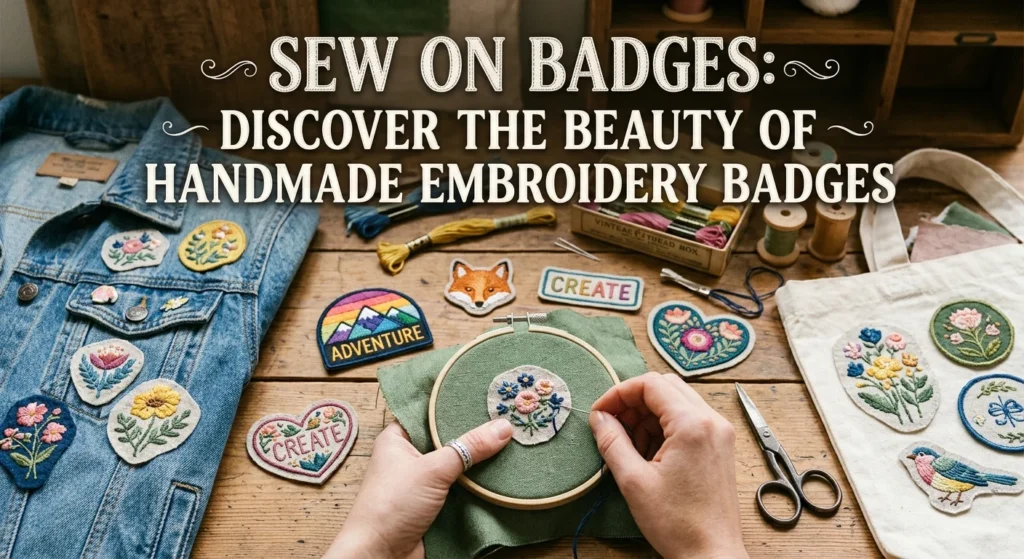
Creative Ways to Use Sew On Badges
There are countless ways to incorporate embroidered badges into everyday fashion.
Denim jackets: Place one statement patch on the back or combine smaller designs on the sleeves and pockets.
Jeans and trousers: Use small embroidered motifs to add detail to plain denim or create a coordinated look with other accessories.
Backpacks and tote bags: Decorate fabric bags with colourful designs, initials, or symbols that reflect your personality.
Shirts and sweatshirts: Add a subtle badge near the chest, sleeve, or pocket for a distinctive appearance.
Handmade gifts: Personalised embroidery patches can make fabric accessories more meaningful for birthdays, celebrations, and special occasions.
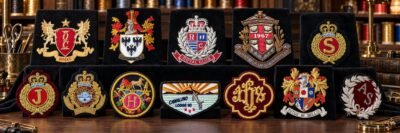
Team and organisation clothing: Embroidered badges can display approved logos, names, and symbols on uniforms or group apparel.
How to Attach Sew On Patches Correctly
Attaching sew-on patches is a manageable DIY task, even if you have limited sewing experience.
Step 1: Prepare the Fabric
Clean the garment if necessary and allow it to dry completely. Place it on a flat surface so you can position the patch accurately.
Step 2: Position the Embroidery Badge
Decide where the patch should sit. Check its alignment carefully, particularly when attaching it to shirt pockets, jacket sleeves, or symmetrical areas.
Step 3: Choose Suitable Sewing Materials
Select a needle appropriate for the fabric thickness and a strong thread that complements the patch. Pins or temporary fabric clips can help keep the badge in place.
Step 4: Sew Around the Border
Use small, consistent stitches around the patch’s edges. Keep the fabric smooth while sewing, and avoid pulling the thread so tightly that the material puckers.
Step 5: Secure the Thread
Finish with a secure knot on the reverse side. Gently check the border to ensure the patch is firmly attached and no corners are lifting.
For stretchy or delicate fabrics, use a suitable stitching method and test it on an inconspicuous area first.
Handmade Embroidery Badges Versus Printed Patches
Both embroidered and printed patches can enhance clothing, but they offer different visual effects.
Embroidered badges feature stitched threads that create texture and depth. They are often preferred for traditional designs, decorative motifs, and garments where a crafted appearance is desirable.
Printed patches reproduce artwork on a fabric surface and may be more suitable for designs containing photographs, gradients, or intricate colour transitions.
The right option depends on your preferred appearance, intended use, budget, and the level of detail required. For people who appreciate tactile finishes and traditional needlework, handmade embroidery badges are an appealing choice.
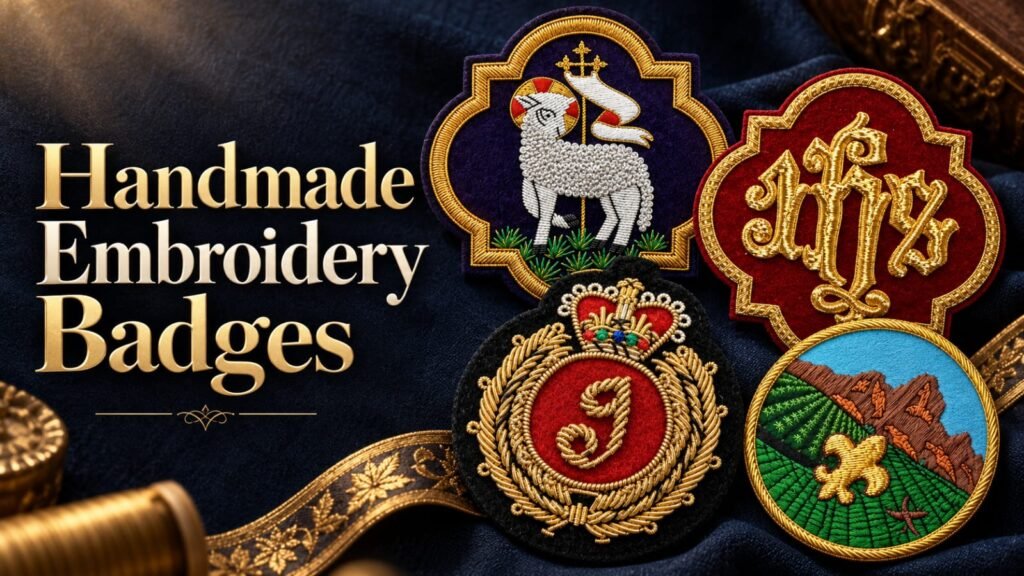
Tips for Maintaining Embroidered Patches
Proper care can help preserve the appearance of your patches over time. Always follow the garment’s washing instructions and consider turning decorated clothing inside out before washing.
Use a suitable washing cycle and avoid excessive heat when the embroidery or fabric is delicate. If the patch develops loose threads, repair the stitching promptly to prevent further damage.
When storing embroidered garments, avoid placing heavy objects on raised embroidery for extended periods. Gentle handling helps maintain the design’s texture and overall finish.
Frequently Asked Questions
1. What are sew on patches?
Sew on patches are decorative or functional fabric pieces attached to garments and accessories using thread and stitching.
2. What is the difference between sew on badges and embroidery patches?
The terms are often used interchangeably. Badges may refer to decorative or identification pieces, while patches can include decorative designs and fabric repairs.
3. Are handmade embroidery badges suitable for denim?
Yes. Denim jackets, jeans, and denim bags are popular choices because their relatively sturdy fabric can support many embroidered patches.
4. Can I sew on patches by hand?
Yes. A needle, suitable thread, and small, even stitches are generally enough to attach most sew-on patches without a sewing machine.
5. Do sew-on patches stay attached after washing?
They can remain securely attached when stitched properly. Their longevity depends on stitching quality, fabric condition, washing methods, and everyday wear.
6. Can I customise handmade embroidery badges?
Many embroidery suppliers offer personalised options, such as initials, logos, lettering, colours, and custom shapes. Available choices depend on the supplier.
7. How do I choose the right embroidery patch?
Consider the design, dimensions, thread quality, edge finishing, intended application, and compatibility with your garment.
Conclusion
Sew on patches are a practical and creative way to personalise clothing, refresh accessories, and explore new fashion ideas. Their versatility makes them suitable for denim jackets, backpacks, shirts, handmade gifts, and many other fabric projects.
By choosing quality sew-on handmade embroidery badges and attaching them with care, you can achieve an attractive finish that reflects your individual style. Whether you prefer minimal decorative details or colourful embroidered artwork, the right patch can turn a simple fabric item into something distinctive and memorable.