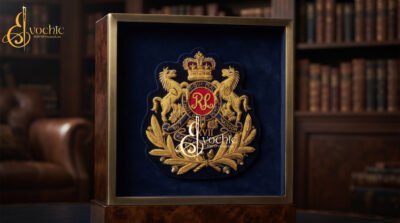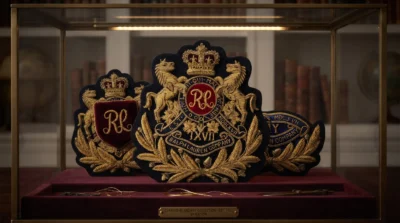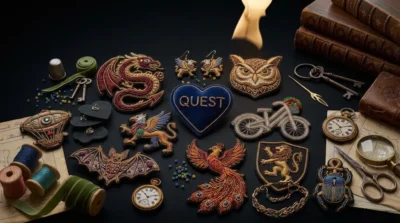


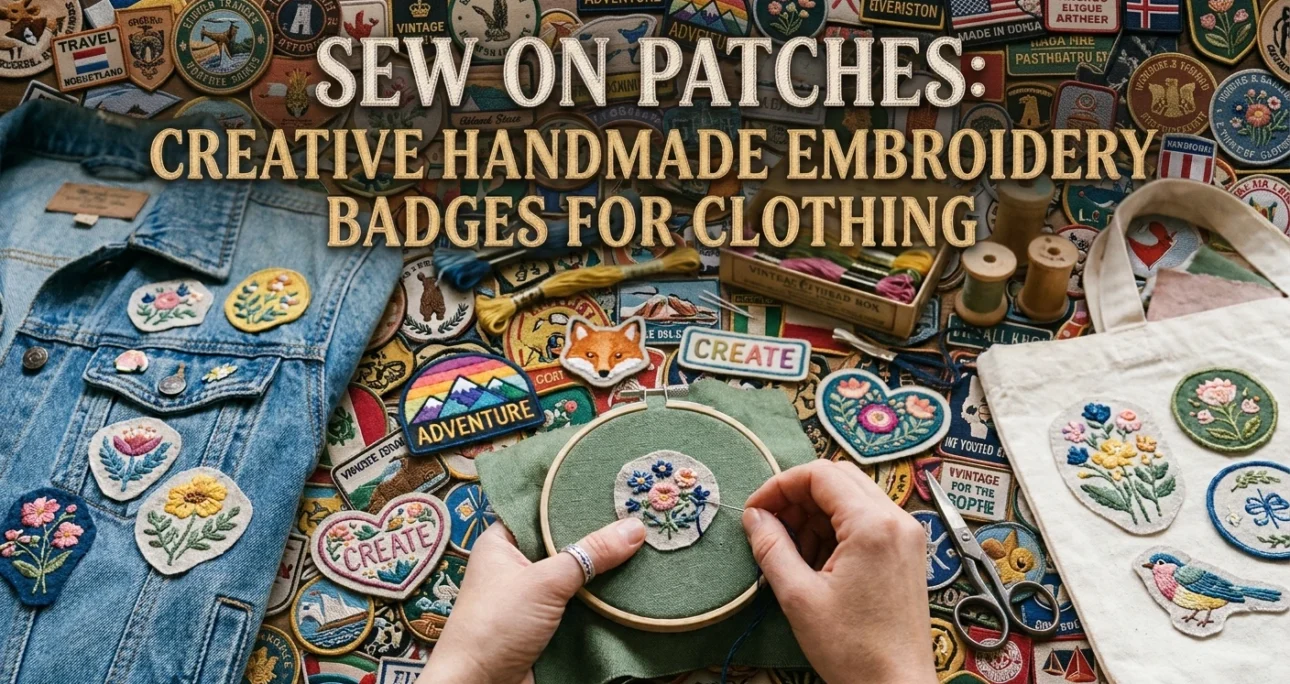
Sew on handmade embroidery badges are an excellent way to personalise clothing, showcase creativity, and add a distinctive touch to everyday accessories. From stylish jacket patches to professional uniform logos, these embroidered designs combine traditional craftsmanship with practical functionality. Their detailed stitching, vibrant thread colours, and attractive textures make them a popular choice for individuals, fashion brands, businesses, schools, and organisations.
Unlike ordinary printed decorations, handmade embroidery badges feature thread-based designs that create depth and texture. Each badge can be customised according to specific requirements, making it possible to represent a brand, celebrate an achievement, or express personal style through unique embroidery.
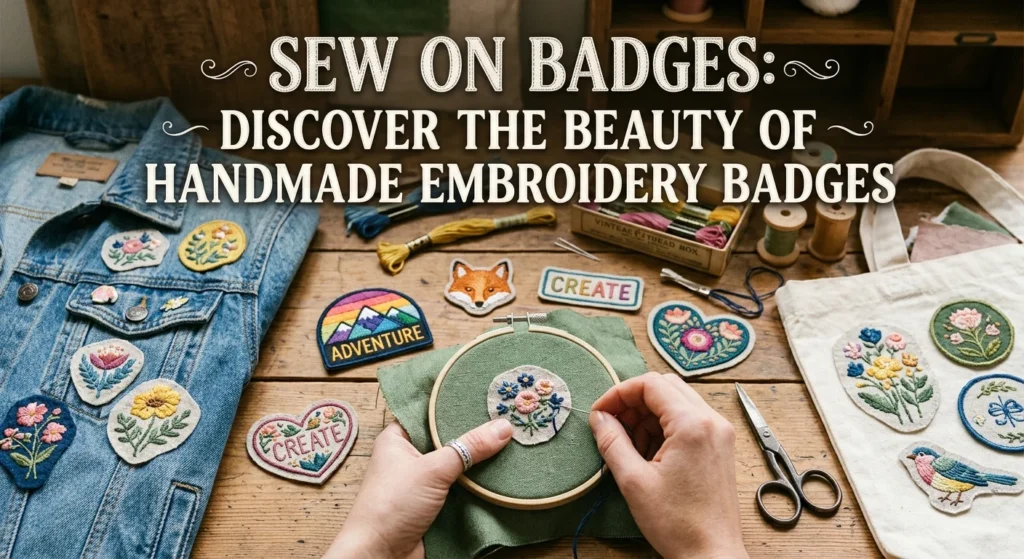
Whether you are looking for decorative patches, personalised name badges, or professional branding solutions, sew-on handmade embroidery badges offer flexibility and long-lasting appeal.
The Art and Craftsmanship Behind Handmade Embroidery Badges
Handmade embroidery is a traditional craft that transforms simple fabric into attractive decorative artwork. Creating an embroidered badge requires attention to detail, careful thread selection, and precise stitching techniques.
The process generally begins with selecting a design, which may include a logo, lettering, illustration, symbol, or decorative pattern. The design is then transferred onto a suitable fabric base, where different embroidery techniques are used to bring it to life.
Common stitching techniques include satin stitch, chain stitch, running stitch, and fill stitch. Each technique contributes to the final appearance and texture of the badge.
The combination of skilled craftsmanship and quality materials creates embroidered badges that stand out from conventional fabric decorations.
Different Types of Handmade Embroidery Badges
There are several styles of embroidered badges available, each designed for different purposes and applications.
1. Custom Logo Embroidery Badges
Custom logo badges are ideal for businesses that want to display their brand identity on employee uniforms, jackets, bags, and promotional clothing. They can feature company names, symbols, and brand colours.
2. Decorative Fashion Badges
Fashion embroidery badges are designed to enhance personal style. They are commonly used on denim jackets, jeans, shirts, handbags, and backpacks. Floral patterns, creative illustrations, and unique lettering are popular choices.
3. Personalised Name Badges
Personalised badges feature individual names, initials, or professional titles. They are suitable for schools, workplaces, clubs, and organisations that require easy identification.
4. School and College Badges
Educational institutions often use embroidered badges to represent their identity. These badges can display school logos, house colours, student groups, and institutional symbols.
5. Sports and Club Badges
Sports teams and social clubs use embroidered patches to represent membership, achievements, and team identity. Their textured appearance makes them an attractive addition to sportswear and accessories.
Benefits of Choosing Sew On Handmade Embroidery Badges
Choosing handmade embroidered badges offers several practical and visual benefits.
Professional Appearance: Embroidered designs provide a textured, detailed finish that can make uniforms and branded clothing look more professional.
Secure Attachment: Sew-on backing allows badges to be attached directly to fabric. Proper stitching helps prevent the edges from lifting or separating during regular use.
Design Flexibility: Customers can select different shapes, colours, sizes, lettering styles, and artwork to create badges that match their requirements.
Reusable Application: Carefully removed badges can sometimes be transferred to another garment, provided the fabric and stitching remain in good condition.
Versatile Usage: These badges can be used for fashion, branding, identification, promotional events, school uniforms, and personal projects.
Distinctive Handmade Finish: Traditional embroidery creates a unique appearance that differs from flat printing and other decorative methods.
How to Choose the Right Embroidery Badge for Your Needs
Selecting the right handmade embroidery badge depends on its intended purpose, design, and application.
First, consider where the badge will be attached. Lightweight fabrics may require smaller and lighter patches, while denim jackets, canvas bags, and heavier garments can accommodate more substantial designs.
Next, focus on the artwork. Simple logos and lettering are generally easier to reproduce clearly, while highly detailed designs may require careful adjustments to maintain stitching quality.
Colour selection is another important factor. Choose thread colours that complement the garment or create enough contrast to make the design visible.
You should also consider the badge border. Merrowed edges, satin-stitched borders, and other finishing techniques can provide different visual effects and levels of protection around the design.
Finally, select a reliable attachment method. Sew-on badges are particularly suitable when you want a secure connection without depending on adhesive backing.
Creative Ways to Use Embroidered Badges
Handmade embroidery badges offer endless possibilities for customisation. They can transform simple garments into personalised fashion pieces or help organisations create a recognisable identity.
Here are some creative ideas:
- Add floral embroidery patches to denim jackets for a fashionable appearance.
- Personalise backpacks with initials, names, or favourite symbols.
- Decorate children’s clothing with colourful embroidered characters.
- Add company logos to employee uniforms and workwear.
- Create matching patches for school societies and sports clubs.
- Design commemorative badges for exhibitions, festivals, and special events.
- Refresh older clothing by covering small stains or damaged areas with decorative patches, provided the fabric underneath is suitable.
These applications demonstrate how embroidered badges combine creativity with everyday practicality.
Handmade Embroidery Badges vs Machine-Made Patches
Both handmade and machine-made embroidered patches have their own advantages. The best choice depends on the desired finish, design complexity, production requirements, and quantity.
Handmade embroidery is often appreciated for its individual craftsmanship and distinctive character. Machine embroidery, on the other hand, offers greater consistency and efficiency when producing large quantities.
For customers looking for artistic details, personalised designs, or small creative projects, handmade embroidery can be an appealing option. Businesses requiring hundreds of identical logo badges may prefer machine-assisted production for consistency.
The important consideration is choosing the production method that best matches your quality expectations and intended application.
How to Keep Your Embroidered Badges Looking New
Taking care of embroidered badges helps preserve their threadwork, colour, and overall appearance.
- Follow the washing instructions for the garment.
- Use mild detergent whenever possible.
- Avoid aggressive scrubbing directly over embroidered areas.
- Turn clothing inside out before machine washing.
- Avoid excessive heat when ironing embroidered garments.
- Allow delicate embroidered items to air dry.
- Check the stitching regularly and repair loose threads when necessary.
With proper care, quality sew-on handmade embroidery badges can remain attractive through repeated everyday use.
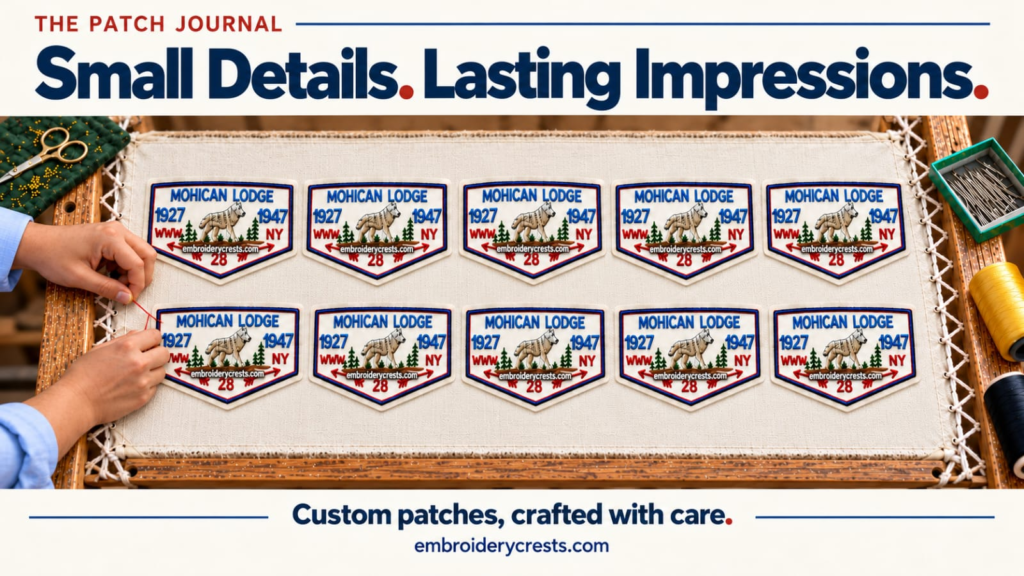
Why Handmade Embroidery Badges Remain Popular
Despite the availability of modern printing technologies, embroidered badges continue to maintain their popularity because of their distinctive appearance and versatility. They offer a combination of traditional craftsmanship, personal expression, and practical functionality.
For fashion enthusiasts, they provide an affordable way to customise clothing. For businesses, they create opportunities to display brand identities through professional uniforms. For schools, teams, and organisations, they offer a simple way to represent belonging and recognition.
Sew on handmade embroidery badges are therefore much more than decorative fabric accessories. They are a creative medium for storytelling, branding, and personal expression.
Frequently Asked Questions (FAQs)
1. What makes handmade embroidery badges different from regular patches?
Handmade embroidery badges feature stitched threadwork that creates a raised, textured appearance. Regular printed patches usually have a flatter finish without the same embroidery details.
2. Can sew-on handmade badges be used on leather jackets?
They can be attached to suitable leather garments, but stitching leather requires appropriate needles and techniques. Professional assistance may be preferable to avoid damaging the material.
3. Are embroidered badges available in different shapes?
Yes. They can be produced in circular, square, rectangular, oval, shield, and custom shapes depending on the design.
4. Can I order embroidery badges with my own artwork?
Yes. Many embroidery providers accept custom artwork, logos, lettering, and reference designs to create personalised badges.
5. What thread is commonly used for embroidery badges?
Polyester and rayon embroidery threads are commonly used. The selection depends on the desired appearance, colour, durability, and production method.
6. Do sew-on embroidery badges require special tools?
No. Basic sewing supplies, including a needle and strong thread, are generally sufficient for attaching most sew-on badges.
7. Can embroidered badges be attached to backpacks?
Yes. Canvas, fabric, and many other backpack materials are suitable for sew-on embroidered badges. The correct needle and stitching technique should be selected according to the material thickness.
8. Are handmade embroidery badges suitable for promotional purposes?
Absolutely. Businesses can use custom embroidered badges for promotional uniforms, branded merchandise, corporate events, and customer giveaways.
9. Can I remove a sew-on embroidered badge?
Yes. Carefully cutting or unpicking the stitches can remove a badge. However, small needle holes or fabric marks may remain after removal.
10. How can I make my custom embroidery badge look more attractive?
Choose a clear design, complementary thread colours, appropriate lettering, and a suitable border. Avoid overcrowding the artwork with excessive small details.