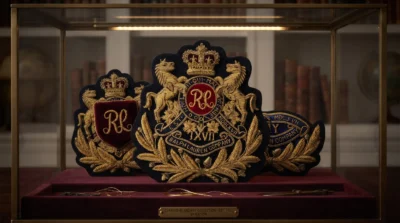


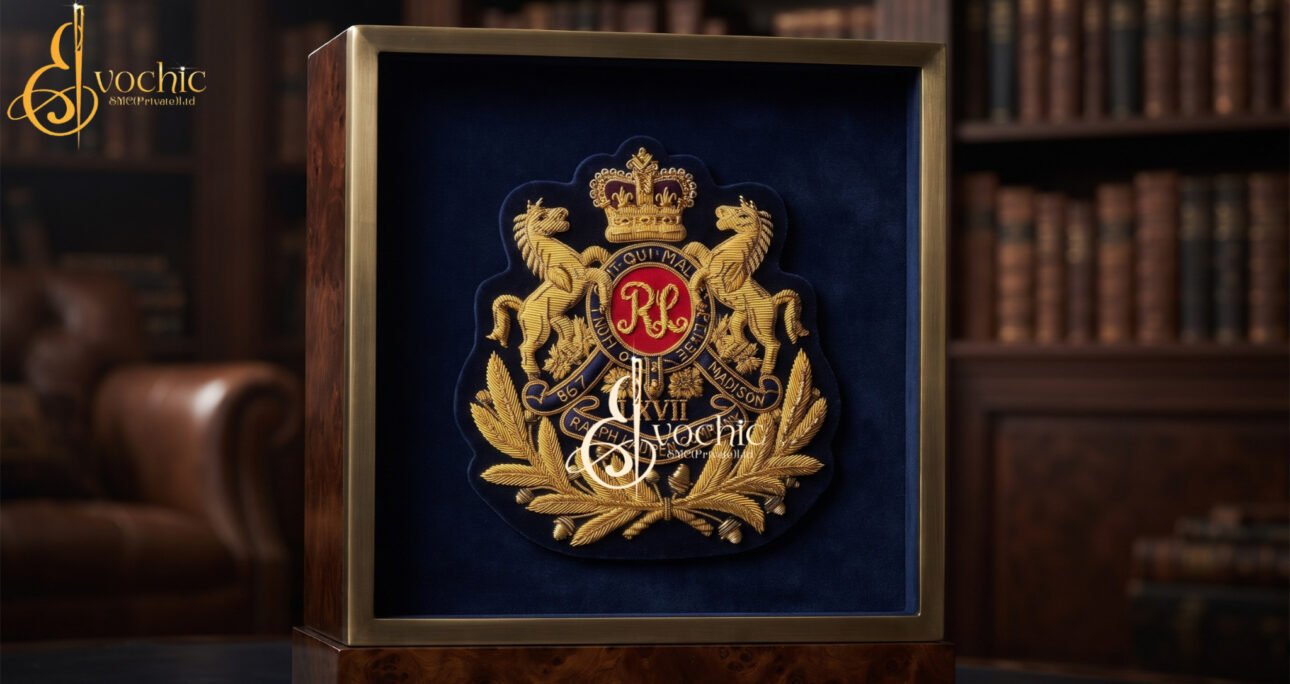
The fashion industry continues to embrace timeless designs that combine elegance, creativity, and quality craftsmanship. Embroidered badges have become an important part of modern clothing decoration, offering a stylish way to enhance garments with distinctive artwork and detailed stitching. Ralph Lauren inspired embroidery badges reflect the appeal of traditional fashion crests, classic lettering, and sophisticated decorative elements that complement both casual and premium apparel.
In 2026, embroidered clothing patches remain popular among fashion designers, clothing manufacturers, collectors, and businesses looking for attractive garment embellishments. From polo shirts and varsity jackets to sweatshirts and accessories, these decorative elements provide a versatile solution for creating a recognizable clothing identity.
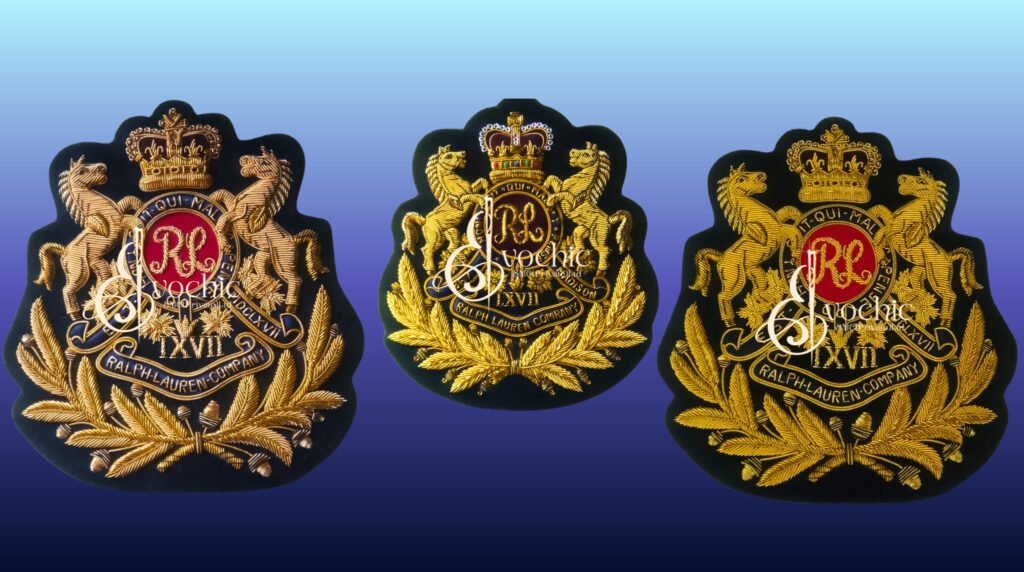
The Appeal of Ralph Lauren Inspired Clothing Crests
Traditional clothing crests are known for their elegant appearance and distinctive visual details. Inspired by classic fashion aesthetics, these designs often incorporate decorative shields, embroidered lettering, symbolic artwork, and carefully selected thread colors.
Their popularity comes from their ability to add character without overwhelming the original garment design. A small embroidered emblem on a polo shirt or a detailed crest on a jacket can create a sophisticated appearance.
Common characteristics include:
- Intricate embroidery and decorative stitching.
- Classic shield-shaped and circular designs.
- Elegant lettering and monogram-inspired artwork.
- Contrasting thread colors and borders.
- Traditional sporting and heritage-inspired symbols.
These features make fashion crests suitable for a wide variety of clothing styles and creative projects.
Different Embroidery Techniques for Fashion Badges
The manufacturing technique plays an important role in determining the appearance, texture, and quality of an embroidered badge. Different methods are used depending on the artwork and the desired finish.
Flat Embroidery: This technique uses standard stitching to create smooth designs with defined details. It is suitable for lettering, small logos, and traditional clothing emblems.
3D Puff Embroidery: Foam is placed beneath the stitching to produce a raised effect. This technique is frequently used for bold lettering and prominent decorative elements.
Applique Embroidery: Different fabric pieces are combined with stitching to create layered designs. It offers additional texture and creative possibilities.
Woven Badge Construction: Fine threads are woven together to reproduce intricate artwork and smaller lettering with greater precision.
Selecting the right technique helps ensure that the finished badge matches the intended garment and design requirements.
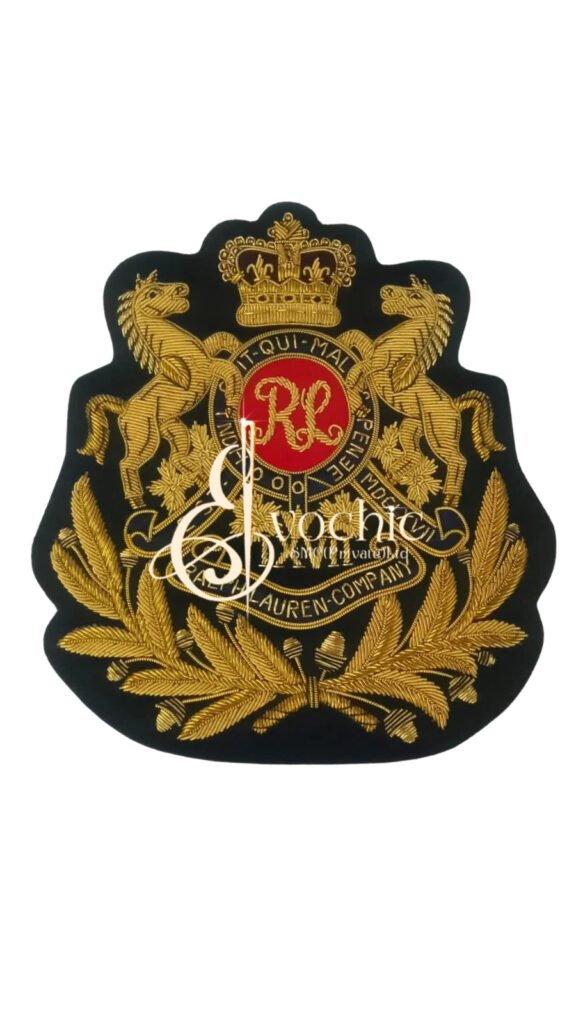
Where Can Embroidered Fashion Badges Be Used?
One of the biggest advantages of embroidered badges is their versatility. They can be incorporated into different garments and accessories without requiring significant changes to the original clothing design.
Popular applications include:
Polo Shirts: Small embroidered crests provide an elegant finish for everyday casualwear and branded clothing.
Varsity Jackets: Large decorative patches and chenille badges create a traditional athletic appearance.
Sweatshirts and Hoodies: Custom embroidery adds visual interest to casual clothing collections.
Denim Jackets: Decorative emblems can enhance denim garments with vintage-inspired details.
Caps and Accessories: Smaller embroidered badges are useful for hats, bags, and other fashion accessories.
This flexibility makes embroidery an excellent option for both individual clothing projects and commercial apparel production.
What Makes a High-Quality Embroidered Patch?
Not every embroidered badge delivers the same level of quality. Several important factors determine whether a finished patch looks professional and remains attractive over time.
First, thread quality matters. Strong, colorfast embroidery threads help maintain the appearance of the design through regular use.
Second, stitching density should be appropriate for the artwork. Excessively dense stitching can make a patch stiff, while insufficient stitching may leave gaps and uneven details.
Third, clean borders and precise cutting contribute to a professional finish. Properly finished edges prevent the patch from looking unfinished when attached to clothing.
Finally, the backing material should match the intended application. Sew-on, iron-on, and hook-and-loop backings provide different attachment options depending on the garment and its use.
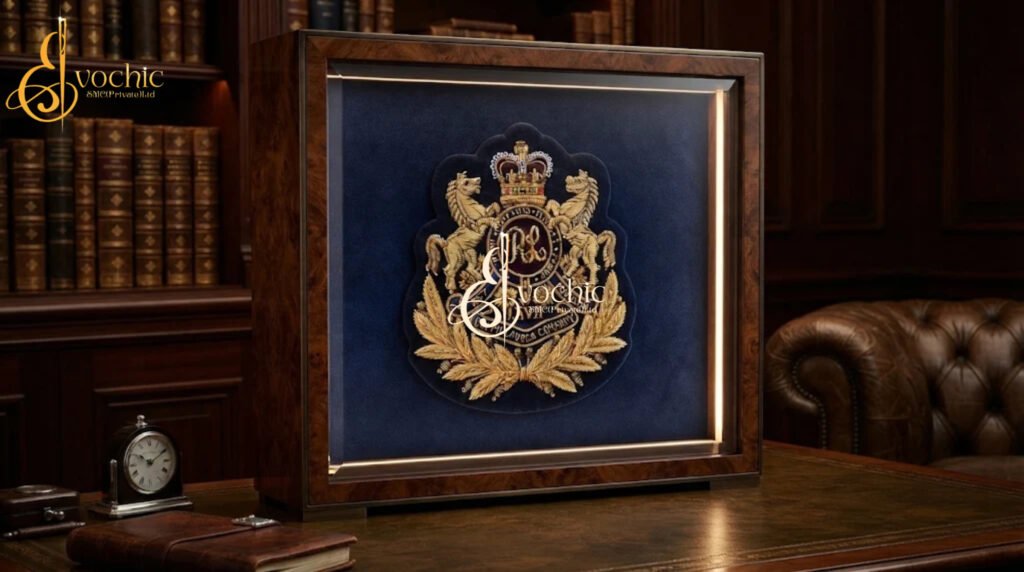
Custom Embroidery Badges for Clothing Brands
Custom embroidered badges provide clothing brands with an opportunity to develop their own distinctive visual identity. Instead of relying on standard printed graphics, businesses can create personalized emblems that reflect their branding and design preferences.
Manufacturers can produce custom patches in different shapes, sizes, colors, and embroidery styles. Designs may include company names, decorative symbols, initials, artwork, or original crest concepts.
For clothing businesses, ordering customized patches in bulk can also help maintain consistency across different product lines. Before beginning large-scale production, it is useful to approve a digital design or physical sample to confirm colors, dimensions, and stitching details.
When developing designs inspired by established fashion houses, businesses should use original artwork and avoid unauthorized reproduction of protected logos or trademarks.
How to Select the Right Patch for Your Clothing
Choosing the right embroidery badge requires considering both appearance and functionality.
Start by identifying the garment where the patch will be attached. Lightweight polo shirts may require smaller, flexible designs, whereas jackets can accommodate larger and more detailed crests.
Next, consider the design complexity. Fine lettering and intricate illustrations may benefit from woven construction, while traditional raised artwork is better suited to embroidery.
You should also determine the attachment method before production. Sew-on patches offer a traditional and secure solution, while iron-on backing provides convenient application when compatible with the garment fabric.
Taking these factors into account helps achieve a balanced design that looks attractive and performs well.
Frequently Asked Questions
1. What are Ralph Lauren inspired embroidery badges?
These are decorative embroidered badges inspired by classic fashion aesthetics, featuring traditional crests, lettering, and heritage-style artwork. They are not necessarily official Ralph Lauren products.
2. Can embroidered badges be customized?
Yes. Custom embroidery manufacturers can create badges in different shapes, sizes, colors, patterns, and stitching styles according to supplied artwork.
3. Are embroidered crests suitable for polo shirts?
Absolutely. Smaller embroidered crests are commonly used on polo shirts because they provide a neat, textured, and sophisticated appearance.
4. Which backing is best for clothing patches?
Sew-on backing is suitable for secure, traditional attachment. Iron-on backing offers convenient application, while hook-and-loop backing is useful when patches need to be removable.
5. How can I maintain embroidered patches?
Follow the garment’s care instructions, wash according to fabric requirements, avoid excessive heat, and handle embroidered areas carefully to maintain their appearance.
Conclusion
Ralph Lauren inspired embroidery badges demonstrate how traditional fashion elements can remain relevant in modern clothing collections. From detailed embroidered crests to personalized clothing emblems, these decorative patches offer endless opportunities for creative garment enhancement. By selecting appropriate materials, embroidery techniques, and backing options, designers and clothing businesses can achieve attractive results that combine style, durability, and professional craftsmanship.