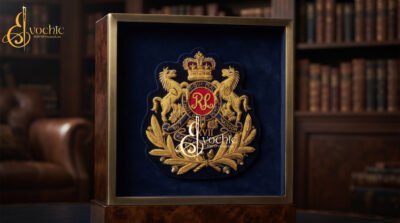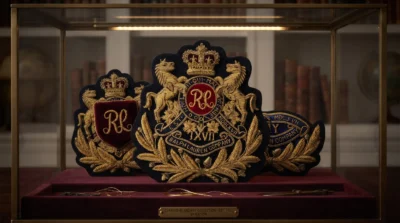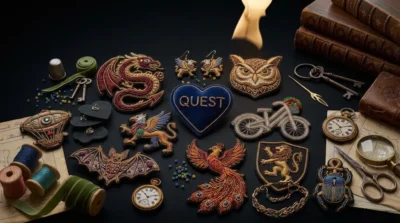


Custom embroidery is one of the most creative ways to personalise clothing, accessories, and professional uniforms. Handmade Sew on Patches are particularly popular because they combine traditional craftsmanship with modern design possibilities. Whether you want to represent a brand, showcase a team logo, personalise a jacket, or create distinctive clothing, embroidered patches offer an attractive and practical solution.
In 2026, personalised embroidery continues to be a popular choice among businesses, fashion enthusiasts, educational institutions, and sports organizations. With different shapes, colours, thread styles, and finishing options available, custom embroidered patches can be designed to suit almost any requirement.
The Beauty of Handmade Embroidery Patches
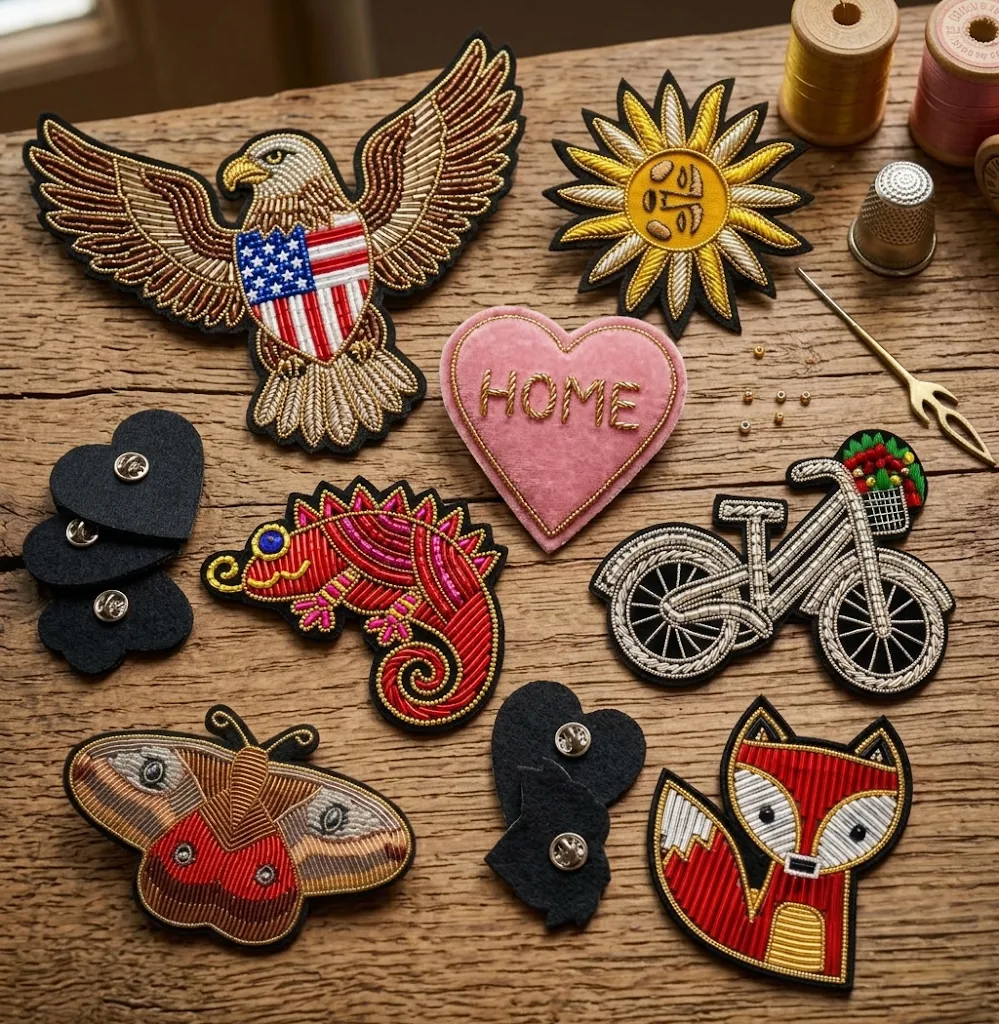
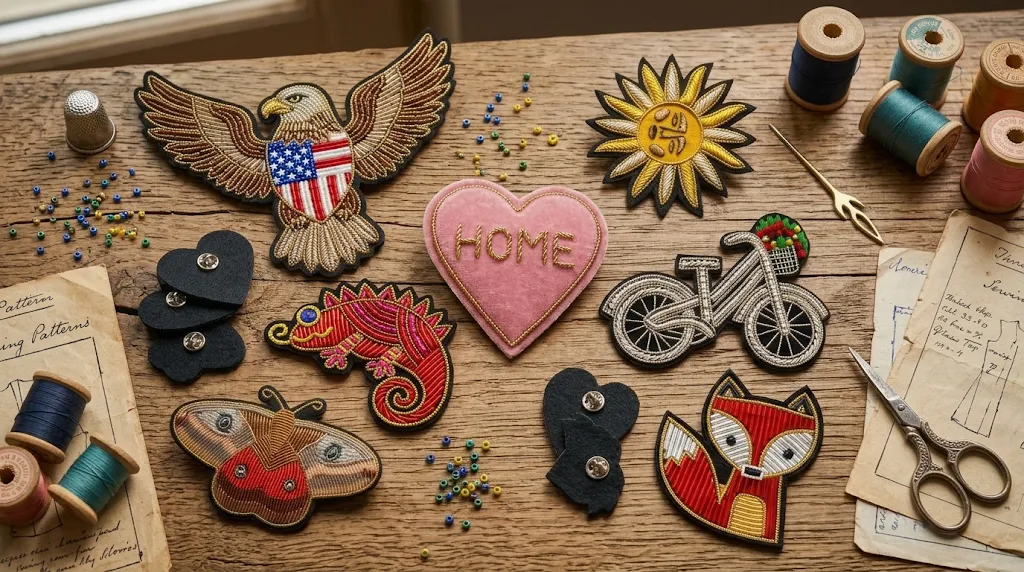
Handmade embroidery patches stand out because of their detailed stitching and distinctive fabric texture. Instead of simply printing an image onto a surface, embroidery uses carefully arranged threads to create patterns, lettering, and decorative elements.
This technique gives each patch a textured appearance and makes it suitable for both casual and professional applications.
Some important characteristics of quality handmade patches include:
- Fine embroidery with carefully selected thread colours.
- Attractive borders and neatly finished edges.
- Custom shapes, including circular, rectangular, and shield designs.
- Personalised logos, initials, names, and decorative artwork.
- Fabric backing suitable for secure sewing onto garments.
The combination of creative designs and traditional stitching makes embroidered patches an excellent choice for clothing decoration and custom branding.
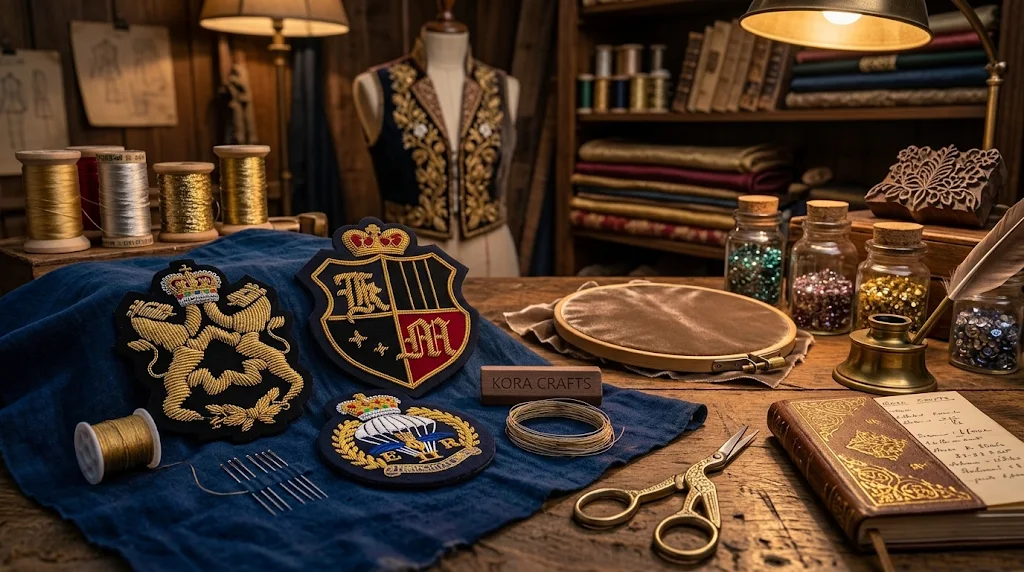
Why Are Custom Sew on Patches So Popular?
One major reason behind the popularity of custom sew-on patches is their versatility. They can be used by individuals creating personalised fashion pieces as well as companies developing branded employee uniforms.
Unlike ordinary clothing prints, embroidered patches can communicate a specific message, represent an organization, or highlight an achievement.
For example, fashion brands can use custom patches to give their collections a distinctive identity, while sports clubs can display their logos and team colours. Businesses can also add embroidered logos to uniforms to create a consistent and professional appearance.
Another advantage is design flexibility. Customers can choose different embroidery styles, thread combinations, dimensions, and borders to create patches that match their requirements.
Different Types of Handmade Sew on Patches
There are several types of embroidered patches available, depending on the design and intended purpose.
1. Custom Logo Embroidery Patches
These patches feature company logos, business names, and brand symbols. They are commonly attached to uniforms, workwear, jackets, and promotional clothing.
2. School and Educational Patches
Schools, colleges, and educational organizations use embroidered patches to represent their identity. Designs often include institutional names, symbols, and recognizable colour combinations.
3. Military and Uniform-Style Patches
Embroidered insignia and uniform-style patches are popular for decorative clothing, collectibles, and authorized organizational uniforms.
4. Fashion Embroidery Patches
Fashion enthusiasts use embroidered patches to customise denim jackets, jeans, hoodies, caps, and backpacks. Creative designs can transform simple clothing into unique statement pieces.
5. Sports Team Patches
Sports clubs and teams use custom embroidered patches to display their logos, team names, and colours on jerseys, tracksuits, and training apparel.
Handmade vs Machine Embroidery: Which Is Better?
Both handmade and machine embroidery have their own advantages. Handmade embroidery is appreciated for its traditional craftsmanship and artistic character, particularly when individual detailing is important.
Machine embroidery, however, provides greater production consistency and is often more suitable for producing large quantities of identical patches.
The right option depends on the artwork, production requirements, budget, and expected finishing quality. For custom projects, discussing the embroidery method with your manufacturer can help ensure the final product meets your expectations.
How to Maintain Your Embroidered Sew-On Patches
Proper care helps preserve the appearance of embroidered patches and keeps their stitching looking attractive.
Follow these simple maintenance tips:
- Wash garments according to their fabric care instructions.
- Turn embroidered clothing inside out before washing.
- Avoid harsh detergents and excessive heat.
- Do not pull loose threads from the embroidery.
- Allow garments to dry according to the material’s requirements.
- Check patch edges occasionally to ensure the stitching remains secure.
These precautions can help maintain the colours, shape, and overall appearance of your embroidered patches.
Tips for Ordering High-Quality Custom Embroidery Patches
Before ordering custom patches, take some time to review the design and production details.
Start with a clear logo or artwork file. Choose thread colours that complement the garment and ensure that small lettering remains readable after embroidery.
Next, decide the appropriate patch dimensions and shape. A large shield design may look impressive on a jacket, while a compact circular patch might be better for a shirt or cap.
Finally, discuss the fabric backing, border finishing, production quantity, and attachment requirements with your supplier. Requesting a sample before placing a large order can also help you evaluate the embroidery quality.
Give Your Clothing a Unique Identity with Handmade Sew on Patches
Handmade embroidered patches offer more than simple decoration. They provide a creative way to represent personal style, professional identity, team spirit, and organizational recognition.
Whether you need a small personalised patch or a large collection of branded uniform designs, choosing quality materials and detailed embroidery makes a noticeable difference.
Explore different design possibilities and create Handmade Sew on Patches that combine attractive craftsmanship, practical functionality, and a distinctive appearance in 2026.
Frequently Asked Questions (FAQs)
1. What are Handmade Sew on Patches?
Handmade sew on patches are decorative fabric pieces featuring embroidered designs, logos, lettering, or symbols. They are attached to clothing and accessories using needle and thread.
2. Can I order custom handmade patches with my own logo?
Yes. Custom embroidery patches can be created using company logos, school emblems, sports team designs, or personal artwork.
3. Are embroidered sew-on patches durable?
Yes. Quality embroidered patches with secure stitching can withstand regular use. Their lifespan depends on the thread, backing, attachment, and washing conditions.
4. Can handmade patches be attached to jackets and bags?
Absolutely. They can be sewn onto denim jackets, shirts, backpacks, hats, uniforms, jeans, and many other fabric-based products.
5. What materials are used to make embroidered patches?
They commonly use embroidery threads, woven or non-woven fabric backing, and suitable border finishing materials.
6. How do I attach a sew-on embroidered patch?
Position the patch on the desired area, secure it temporarily, and stitch around its edges using a suitable needle and thread. Make sure the stitches are secure and evenly spaced.
7. Can I order custom embroidered patches in bulk?
Yes. Businesses, schools, sports teams, and fashion brands can order custom patches in bulk to maintain consistent branding and designs.
8. What is the difference between embroidered and printed patches?
Embroidered patches feature stitched threads that create a raised, textured appearance, while printed patches use ink or printing techniques to display artwork, photographs, and complex colour details.