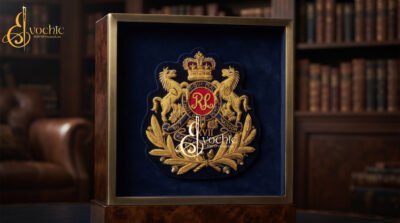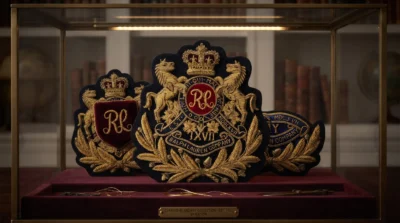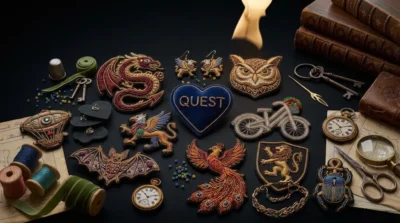


Sew on handmade embroidery badges are a timeless way to add personality, creativity, and individuality to clothing, accessories, uniforms, and other fabric products. Whether you want to customise a denim jacket, personalise a backpack, represent an organisation, or create a unique fashion statement, handmade embroidered badges offer an attractive and durable solution. Unlike ordinary printed designs, embroidered badges feature textured stitching that gives them a distinctive appearance and a premium finish.
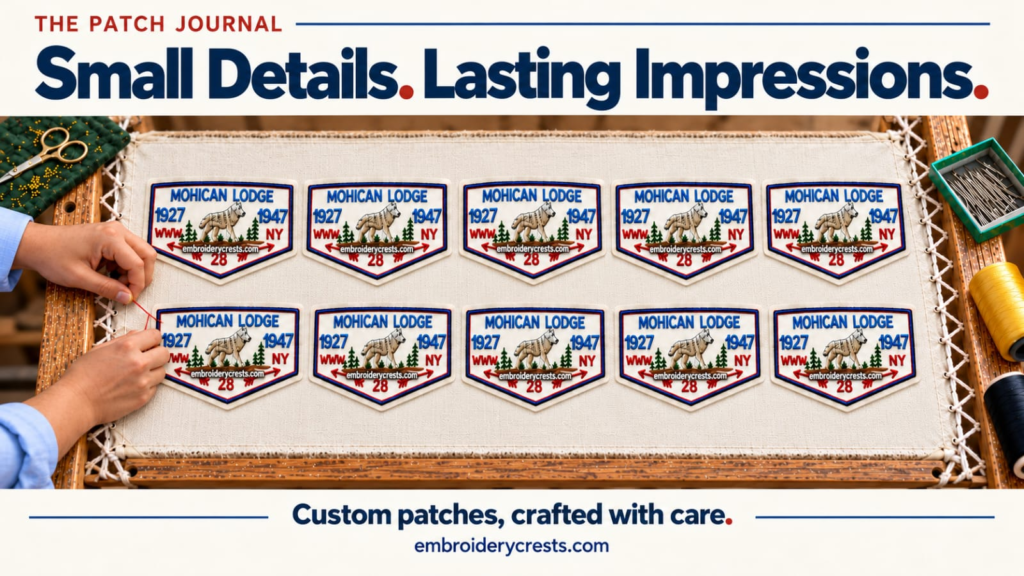
Handmade embroidery badges are created using carefully selected threads, fabric materials, and stitching techniques. Each design is developed with attention to detail, allowing colours, patterns, lettering, and logos to stand out. Their versatility makes them popular among fashion enthusiasts, businesses, schools, sports teams, clubs, and organisations looking for personalised branding solutions.
What Are Sew On Handmade Embroidery Badges?
Sew on handmade embroidery badges are decorative fabric patches featuring embroidered designs that can be permanently attached to clothing and accessories using needle and thread. They are commonly made with a fabric base and detailed embroidery created using different thread colours and stitching styles.
The main feature of these badges is their sew-on backing, which allows users to attach them directly to fabric without requiring adhesive or heat application. This makes them suitable for materials where a secure and long-lasting attachment is important.
From simple initials and creative symbols to detailed logos and customised artwork, handmade embroidery badges can be produced in various shapes, sizes, and styles according to individual requirements.
Why Choose Handmade Embroidery Badges?
Handmade embroidery badges offer several advantages over printed patches and temporary decorative accessories. Their traditional stitching techniques create a textured appearance that enhances the overall design.
1. Long-Lasting Durability
One of the biggest advantages of sew on embroidery badges is their durability. When properly stitched onto clothing, they can withstand regular use, handling, and washing. Their secure attachment makes them an excellent choice for uniforms, jackets, bags, and workwear.
2. Unique Handmade Appearance
Handmade embroidery adds character and detail to every badge. The stitching creates a raised texture that makes designs visually appealing and gives them a more traditional, handcrafted appearance.
3. Complete Customisation
Customers can choose their preferred colours, shapes, sizes, lettering, logos, and artwork. Whether you need personalised name badges, company logos, decorative designs, or embroidered symbols, custom handmade badges can be created to match your vision.
4. Easy Fabric Application
Sew-on badges do not require special equipment or heat presses. They can be attached using basic sewing tools, making them convenient for both personal and professional use.
5. Suitable for Different Applications
These badges work well on denim, cotton, canvas, jackets, uniforms, backpacks, caps, and many other fabric products.
Popular Uses of Sew On Embroidered Badges
Custom embroidered badges are used across different industries and for personal styling. Some of their most popular applications include:
- Fashion and Clothing: Add attractive designs to denim jackets, shirts, jeans, coats, and other garments.
- School Uniforms: Display school names, logos, house symbols, and student identification.
- Sports Teams: Represent team identities, club logos, achievements, and membership.
- Business Branding: Add company logos and professional branding to employee uniforms and workwear.
- Clubs and Organisations: Create personalised badges for associations, communities, and special groups.
- Personal Accessories: Decorate handbags, backpacks, caps, and fabric accessories.
- Collectibles: Design commemorative badges for events, festivals, and special occasions.
How to Sew Handmade Embroidery Badges onto Clothing
Attaching a sew-on handmade embroidery badge is a straightforward process. With a few basic sewing supplies and some patience, you can securely attach your badge at home.
Step 1: Choose the Right Position
Decide where you want to place your embroidered badge. Common positions include jacket sleeves, chest areas, shoulders, backpacks, and shirt pockets. Make sure the selected area is clean and suitable for stitching.
Step 2: Position the Badge
Place the badge on the fabric and ensure it is properly aligned. You can use small pins or temporary fabric tape to hold it in position while preparing to sew.
Step 3: Select Matching Thread
Choose a strong sewing thread that either matches the badge border or blends with the fabric. Polyester thread is generally a good option because of its strength and durability.
Step 4: Start Stitching
Thread your needle and begin sewing around the outer edge of the badge. Small, evenly spaced stitches help keep the patch securely attached. Make sure your stitches pass through both the badge and the garment fabric.
Step 5: Secure the Edges
Continue stitching around the entire badge, paying particular attention to corners and curved edges. Finish by tying a secure knot on the inside of the garment.
Step 6: Check the Final Result
Inspect the badge to ensure there are no loose edges or uneven stitches. Your handmade embroidery badge is now ready to wear.
Handmade vs Printed Embroidery Badges: What’s the Difference?
Although both embroidered and printed badges can be used for decoration and branding, they offer different visual characteristics.
| Feature | Handmade Embroidery Badges | Printed Badges |
|---|---|---|
| Appearance | Textured stitching | Flat printed design |
| Finish | Traditional and premium | Smooth and lightweight |
| Durability | Generally long-lasting | Depends on print quality |
| Customisation | Colours, shapes and stitching | Detailed graphics and gradients |
| Application | Sew-on attachment | Depends on backing |
Handmade embroidered badges are particularly suitable for customers who prefer traditional craftsmanship, textured designs, and secure fabric attachment.
Tips for Maintaining Handmade Embroidery Badges
Proper maintenance helps preserve the appearance and quality of embroidered badges for longer.
- Wash garments according to their fabric care instructions.
- Turn embroidered clothing inside out before washing.
- Avoid excessive heat during ironing.
- Never iron directly over delicate embroidery.
- Check badge edges occasionally for loose stitching.
- Use gentle washing methods for delicate handmade designs.
- Store embroidered accessories in a clean, dry place.
Following these simple care tips can help maintain the colours, stitching, and overall appearance of your embroidered badges.
Why Custom Sew On Embroidery Badges Are Worth It
Custom sew-on embroidery badges are more than decorative accessories. They provide an effective way to communicate identity, showcase creativity, and personalise everyday clothing. Businesses can use them to strengthen brand recognition, while schools, sports teams, and organisations can create a consistent visual identity.
For individuals, handmade embroidered patches offer an opportunity to transform ordinary clothing into something personal and distinctive. Their combination of craftsmanship, versatility, and durability makes them a valuable addition to any wardrobe or branding collection.
Whether you need a single personalised badge or a larger batch for an organisation, choosing quality materials and detailed embroidery ensures an attractive and professional result.
Frequently Asked Questions (FAQs)
1. What are sew on handmade embroidery badges?
Sew on handmade embroidery badges are decorative fabric patches featuring stitched designs, logos, lettering, or patterns. They are attached to clothing and accessories using needle and thread.
2. Are handmade embroidery badges durable?
Yes. High-quality embroidery badges can last for years when properly stitched onto fabric and maintained according to garment care instructions.
3. Can I customise the design of an embroidered badge?
Yes. You can customise the shape, size, colours, lettering, artwork, and logo according to your personal or business requirements.
4. What materials can I attach sew-on embroidery badges to?
They can be attached to denim, cotton, canvas, polyester, jackets, shirts, backpacks, caps, and many other fabric materials.
5. Are sew-on badges better than iron-on patches?
Sew-on badges provide a secure attachment without relying on heat-activated adhesive. They are particularly useful for heavy fabrics, frequently washed garments, and applications requiring additional attachment strength.
6. Can I wash clothes with handmade embroidery badges?
Yes. You can wash garments with embroidered badges attached. However, gentle washing and turning garments inside out can help protect the stitching and fabric.
7. Can handmade embroidery badges feature company logos?
Absolutely. Businesses can order custom embroidered badges featuring company logos, names, symbols, and brand colours for uniforms, promotional clothing, and workwear.
8. How do I attach an embroidered badge without a sewing machine?
You can easily attach a sew-on badge by hand using a needle, strong thread, and small stitches around its edges. A sewing machine is not necessary.
9. Are custom embroidered badges suitable for schools and sports teams?
Yes. They are widely suitable for school uniforms, sports clubs, teams, community organisations, and membership identification.
10. How long does it take to make handmade embroidery badges?
Production time depends on the design complexity, badge size, stitching details, materials, and order quantity. Custom designs with intricate embroidery may require additional production time.