
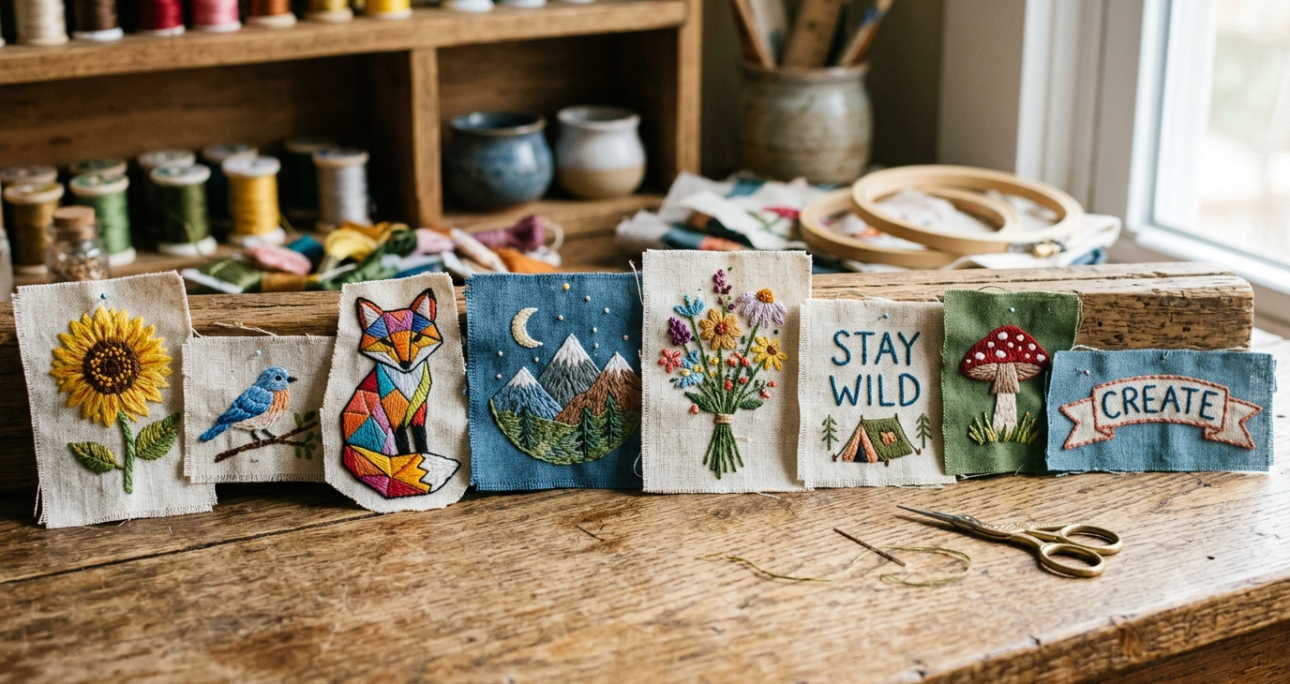
When people search for the best handmade embroidery, they’re usually looking for something that feels personal — a piece of work that carries the mark of a real hand behind it, not a factory line. In a world where almost everything is mass-produced in seconds, handmade embroidery has quietly become one of the few crafts where slowness is actually the selling point.
I’ve spent time going through embroidery workshops, and one thing always stands out: no two handmade pieces are ever truly identical. Even when an artisan repeats the same design a hundred times, tiny variations in tension, thread pull, and stitch spacing give each piece its own personality. That’s the opposite of machine embroidery, where every unit looks robotically perfect and, honestly, a little soulless.
What Makes Handmade Embroidery “The Best”
Not all handmade embroidery is created equal, so it helps to know what separates average work from truly exceptional pieces.
1. Thread quality over thread quantity Cheap threads fray, fade, and lose their sheen after a few washes. The best artisans use high-grade cotton, silk, or metallic threads that hold color and shape for years. If you’re evaluating a piece, look closely at the thread’s finish — a dull, uneven shine usually means lower quality.
2. Stitch density and consistency Good embroidery isn’t just about pretty patterns; it’s about how tightly and evenly the stitches are packed. Loose stitching might look fine at first glance but tends to sag or pull apart over time. Skilled hands keep density consistent even on curves and tight corners, which machines often struggle with.
3. Backing and finishing work This is the part most buyers skip, but it matters enormously. A well-finished piece has clean, secure backing with no loose threads hanging out. Flip any embroidered patch or garment over — if the back looks as neat as the front, you’re likely looking at genuine craftsmanship.
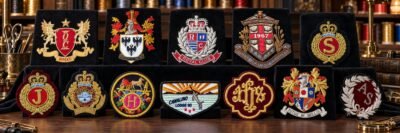
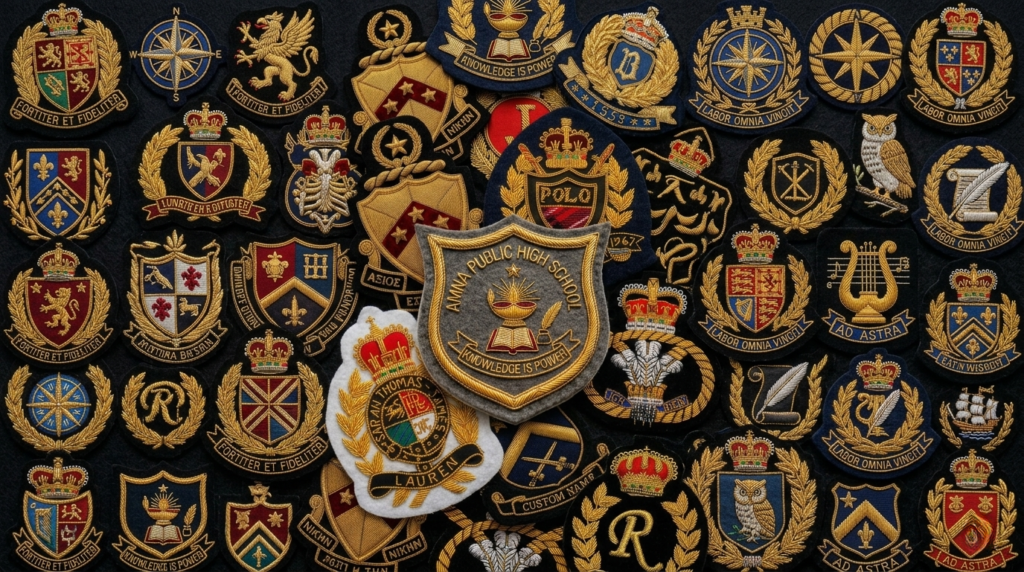
4. Design originality Mass-produced embroidery relies on repeated templates. Handmade artisans, especially those working on custom crests, patches, or personalized pieces, tend to bring subtle creative touches — a slightly different shading technique, a custom color blend, or hand-adjusted proportions to match the client’s request.
Where Handmade Embroidery Really Shines
Handmade embroidery isn’t just for decorative wall art anymore. It’s widely used for:
- Custom military and organizational crests
- Personalized gifts (names, initials, family crests)
- Wedding and event keepsakes
- Branded patches for clubs, schools, and businesses
- Heirloom-style clothing embellishments
Each of these use cases benefits from the durability and uniqueness that only hand-stitched work can offer. A machine can replicate a logo, but it can’t replicate the intent behind a hand-guided needle.
How to Choose the Right Embroidery Artisan or Studio
If you’re planning to order handmade embroidery, a little research goes a long way:
- Ask for close-up photos of previous work, especially the back side of the fabric.
- Check turnaround honesty — genuine handmade work takes time, so be wary of studios promising huge orders overnight.
- Look for customization flexibility — the best studios will adjust colors, sizing, and stitch style based on your needs rather than pushing a fixed template.
- Read reviews focused on durability, not just appearance, since that tells you how the piece holds up after real use.
Best Handmade Embroidery
The appeal of handmade embroidery isn’t just nostalgia — it’s about owning something that was actually made with attention, patience, and a bit of imperfection that machines can’t fake. Whether it’s a custom crest, a gift, or a decorative piece, choosing genuinely handmade work means choosing something that will age well and carry more meaning than anything pulled off an assembly line.
FAQs
Q1: What makes handmade embroidery better than machine embroidery? Handmade embroidery offers unique texture, stronger stitch control on detailed areas, and small artisan touches that machines can’t replicate. It also tends to last longer due to better thread handling.
Q2: How can I tell if embroidery is genuinely handmade? Check the back of the fabric — handmade work usually has neat, secure finishing with minimal loose threads. Slight irregularities in stitch spacing are also a good sign of manual work.
Q3: Is handmade embroidery more expensive than machine-made? Generally yes, since it requires more time, skill, and manual labor. However, the durability and uniqueness often make it a better long-term value.
Q4: What items are commonly made using handmade embroidery? Custom crests, patches, personalized gifts, wedding keepsakes, and branded organizational emblems are among the most common.
Q5: How long does handmade embroidery typically take to complete? Depending on complexity, it can take anywhere from a few hours to several days per piece, which is why rushed “handmade” claims should be viewed with caution.