
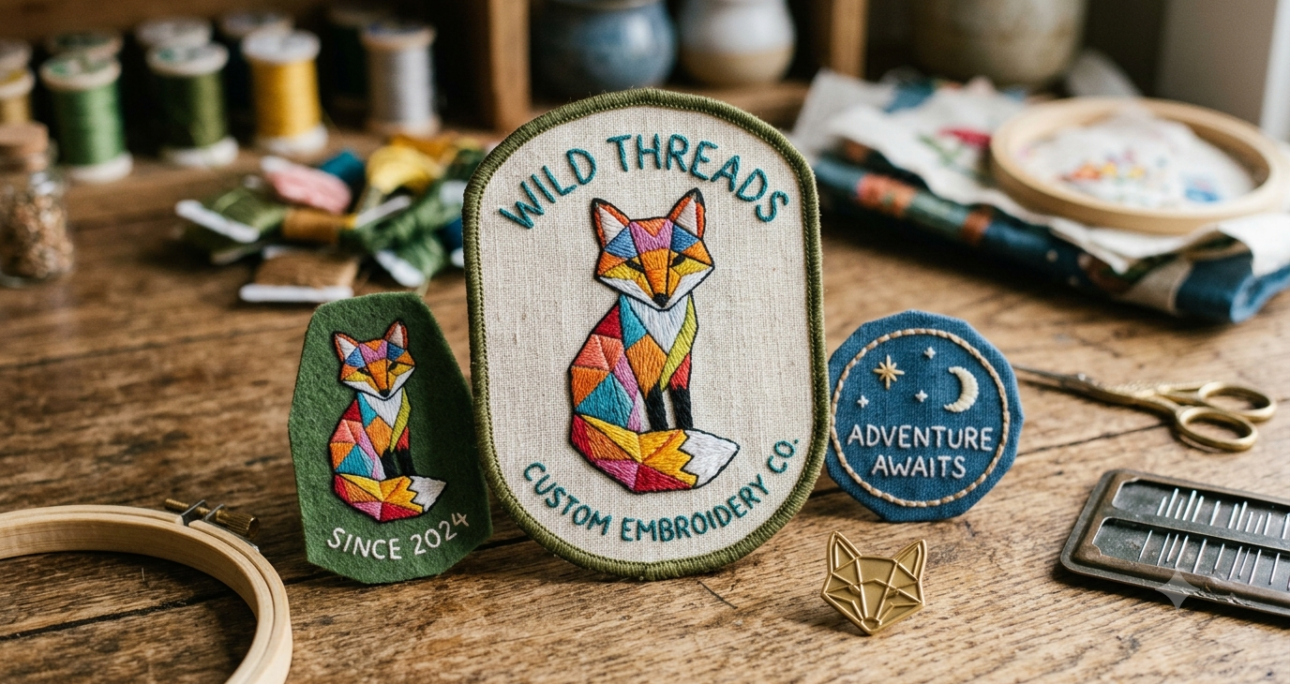
Shopping for the best handmade embroidery can feel overwhelming once you realize how many sellers claim their work is “handmade” when it’s actually machine-assisted or fully automated. As someone who has helped friends and clients pick embroidered gifts, crests, and custom patches over the years, I’ve learned that knowing what to look for saves you from paying premium prices for average craftsmanship.
This guide walks through exactly what separates the best handmade embroidery from the rest, and how to shop smarter.
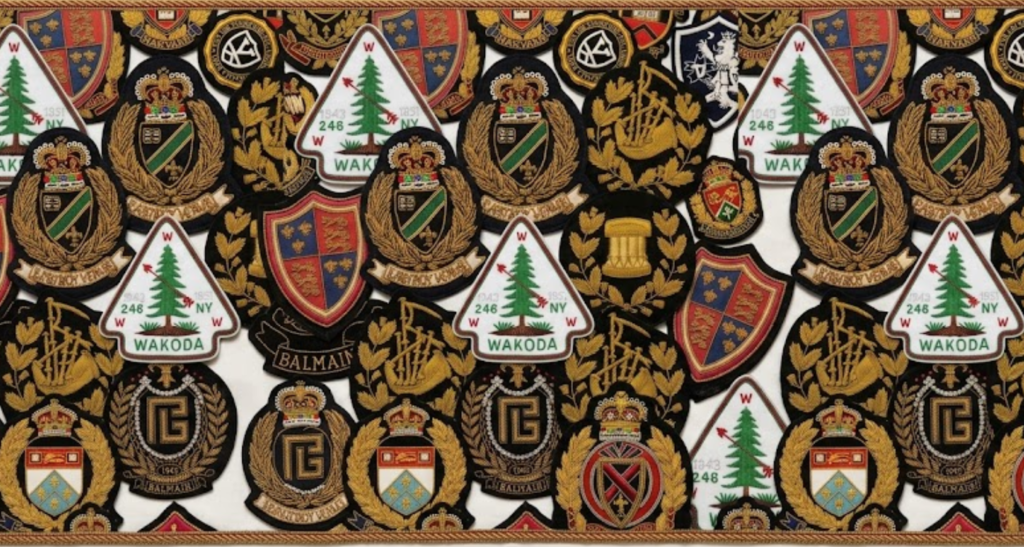
Why “Handmade” Labels Get Misused
The word “handmade” gets stretched a lot in embroidery marketing. Some sellers use it loosely to describe anything that involved a human at some stage of production, even if the actual stitching was done by a computerized machine. True handmade embroidery involves a person guiding the needle stitch by stitch, which naturally takes longer and shows in the final texture.
If a seller can’t answer basic questions about their process — like how long a piece takes or what tools they use — that’s usually a red flag.
Key Signs of Genuine Handmade Embroidery
Irregular but intentional stitching Machines produce flawless, robotic uniformity. Human hands produce controlled variation — stitches that are close but not identical, which actually gives the piece more warmth and character.
Visible thread tension changes On handmade pieces, you’ll often notice subtle shifts in thread tension across curves or detailed sections, especially in areas requiring tighter control like lettering or facial features on crests.
Custom color blending Skilled embroiderers often mix threads on the spot to match a specific shade the client wants, something automated machines can’t do without reprogramming.
Weight and texture of the fabric backing Genuine handmade work often uses sturdier backing materials since it’s applied more carefully by hand, giving the final product a slightly heavier, more durable feel compared to thin, mass-manufactured patches.
What to Ask Before You Buy
Before ordering handmade embroidery — whether it’s a custom crest, a monogrammed item, or a decorative patch — ask the seller:
- Is this stitched entirely by hand or hand-guided on a domestic machine?
- Can you show a close-up of a finished piece, front and back?
- What thread type do you use, and is it colorfast?
- How long does a typical order take to complete?
- Do you offer custom sizing or color adjustments?
Sellers confident in their craft will answer these without hesitation, often with pride, since it’s part of what makes their work stand out.
Best Uses for Handmade Embroidery Purchases
Handmade embroidery tends to deliver the most value in situations where personalization and durability matter most:
- Custom family or organizational crests
- Corporate or club patches meant to last for years
- Wedding favors and anniversary keepsakes
- Personalized baby items and heirloom pieces
- Restoration or repair of vintage embroidered garments
For anything meant to be kept long-term or passed down, spending a bit more on genuine handmade work is almost always worth it.
Price Expectations: What’s Fair, What’s Overpriced
Handmade embroidery pricing varies depending on design complexity, thread type, and size, but a few general patterns hold true:
- Simple monograms or small patches: moderate pricing, quick turnaround
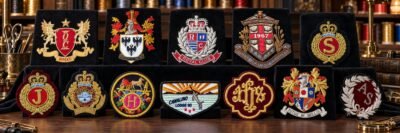
- Detailed crests with multiple colors: higher pricing due to time and skill required
- Bulk custom orders: per-unit price usually drops, but turnaround time increases significantly
Be cautious of sellers offering “handmade” pricing that matches machine-embroidery rates — genuine hand-stitched work simply can’t compete with machine speed, so pricing should reflect that reality.
Final Thoughts
Finding the best handmade embroidery isn’t about finding the cheapest option — it’s about finding a seller who’s transparent about their process and confident in the quality of their stitching. A little due diligence before buying goes a long way toward making sure what you receive is genuinely worth the wait and the price.
FAQs
Q1: How do I know if a seller is truly offering handmade embroidery? Ask about their process directly, request close-up photos of both sides of a finished piece, and compare turnaround times against typical machine-embroidery speeds.
Q2: Why does handmade embroidery cost more than machine-made options? It requires significantly more time, manual skill, and attention to detail, all of which naturally increase the price compared to automated production.
Q3: Can handmade embroidery be customized easily? Yes, and this is one of its biggest advantages — artisans can adjust colors, sizes, and design details on request, which is harder to do with rigid machine templates.
Q4: What’s the best way to care for handmade embroidered items? Hand-wash or use a gentle cycle with cold water, avoid harsh detergents, and air-dry to protect thread color and stitch integrity over time.
Q5: Is handmade embroidery a good gift option? Absolutely. Its uniqueness and durability make it a meaningful, long-lasting gift choice, especially for personalized crests, monograms, or keepsakes.