

Church chasuble is an essential liturgical vestment worn by clergy during religious services. Learn its history, symbolism, types, and importance in Christian worship.
Church Chasuble: A Sacred Vestment in Christian Worship
The church chasuble is one of the most recognizable and meaningful vestments worn by clergy during Christian liturgical celebrations. Rich in symbolism, history, and tradition, the chasuble represents the sacred responsibilities of the priest while enhancing the reverence and beauty of worship services. For centuries, this garment has played a central role in religious ceremonies, reflecting the spiritual heritage of the Church and the devotion of those who serve within it.
Whether used during daily Mass, feast days, or special religious occasions, the church chasuble remains an enduring symbol of faith, humility, and dedication to God.
What Is a Church Chasuble?
A church chasuble is the outermost liturgical vestment traditionally worn by priests during the celebration of the Eucharist and other sacred rites. It is typically a sleeveless garment that drapes over the shoulders and covers the body, creating a flowing and dignified appearance.
The word “chasuble” originates from the Latin term casula, meaning “little house” or “small shelter,” referring to the garment’s enveloping design. Over time, the chasuble evolved from everyday Roman clothing into a distinct religious vestment used exclusively for worship.
Today, the church chasuble is considered a vital part of liturgical attire in many Christian denominations, including Roman Catholic, Anglican, Lutheran, and some Orthodox traditions.
The Historical Significance of the Church Chasuble
The history of the church chasuble dates back to the early centuries of Christianity. Initially, it resembled a common cloak worn throughout the Roman Empire. As secular fashion changed, the Church preserved the garment for sacred use, gradually transforming it into a symbol of spiritual authority.
Throughout the Middle Ages, chasubles became more elaborate, featuring intricate embroidery, religious imagery, and luxurious fabrics. These artistic enhancements reflected the importance of worship and the Church’s commitment to honoring God through beauty and craftsmanship.
Today, while modern designs vary, the fundamental purpose of the church chasuble remains unchanged: to signify the priest’s role in leading the faithful in prayer and sacramental worship.
Symbolism Behind the Church Chasuble
The church chasuble carries deep spiritual meaning within Christian tradition. It symbolizes:
1. Charity and Love
The chasuble is often associated with the virtue of charity, representing Christ’s command to love God and one another.
2. The Yoke of Christ
Clergy wear the chasuble as a reminder of their commitment to serve God faithfully and carry out their pastoral responsibilities.
3. Unity in Worship
The garment helps distinguish the celebrant while emphasizing the sacred nature of the liturgy and the unity of the congregation in prayer.
4. Reverence and Dignity
Its flowing design reflects the solemnity and beauty of religious ceremonies, fostering an atmosphere of worship and devotion.
Types of Church Chasubles
Various styles of church chasubles are used around the world, depending on tradition, preference, and liturgical requirements.
Gothic Chasuble
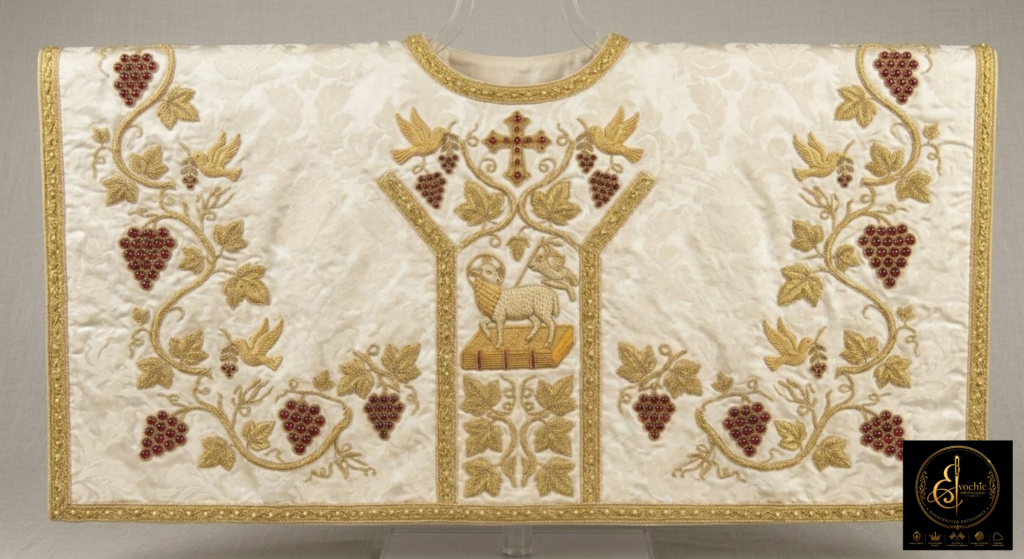
The Gothic chasuble features a wide, flowing shape that covers much of the arms and body. It is one of the most common styles used in modern churches due to its comfort and elegant appearance.
Roman Chasuble
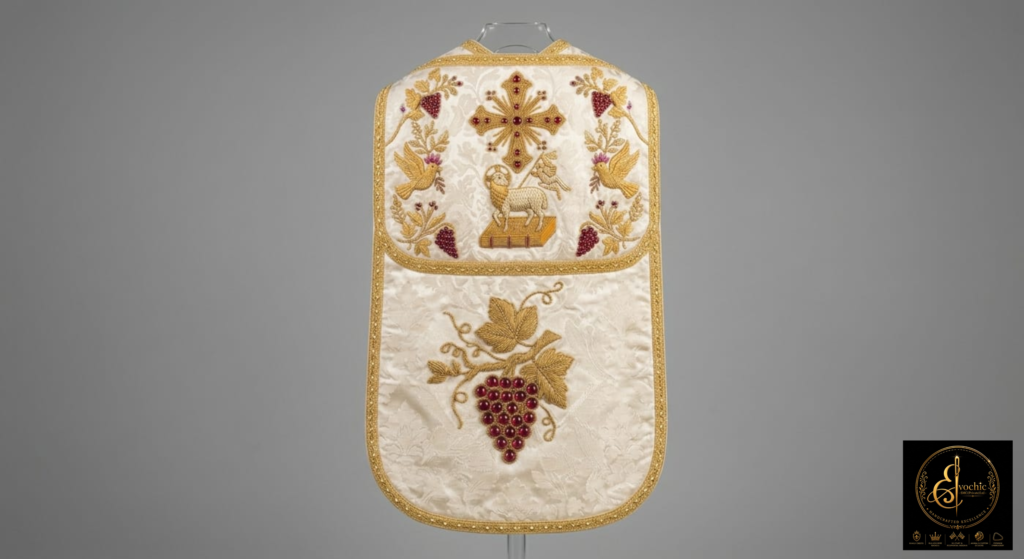
Also known as the fiddleback chasuble, this style has a more structured shape with narrower sides. It is often associated with traditional liturgical celebrations.
Semi-Gothic Chasuble
Combining elements of both Gothic and Roman designs, the semi-Gothic chasuble offers a balance between tradition and practicality.
Monastic Chasuble
Used primarily in monastic communities, this style is known for its simplicity and focus on humility and prayerful devotion.
Liturgical Colors and Their Meanings
One of the most distinctive aspects of the church chasuble is its color. Different colors are worn throughout the liturgical year to reflect specific seasons and celebrations.
White
Symbolizes purity, joy, and resurrection. Commonly worn during Christmas, Easter, and major feast days.
Green
Represents hope and spiritual growth. Used during Ordinary Time.
Red
Signifies the Holy Spirit, sacrifice, and martyrdom. Worn on Pentecost and saints’ feast days.
Purple
Associated with repentance and preparation. Used during Advent and Lent.
Rose
A symbol of joy and anticipation, worn on select Sundays during Advent and Lent.
Gold
Often used for especially solemn celebrations and major religious festivals.
Materials Used in Church Chasubles
Modern church chasubles are crafted from a variety of materials, including:
- Polyester blends
- Silk fabrics
- Brocade textiles
- Linen
- Cotton blends
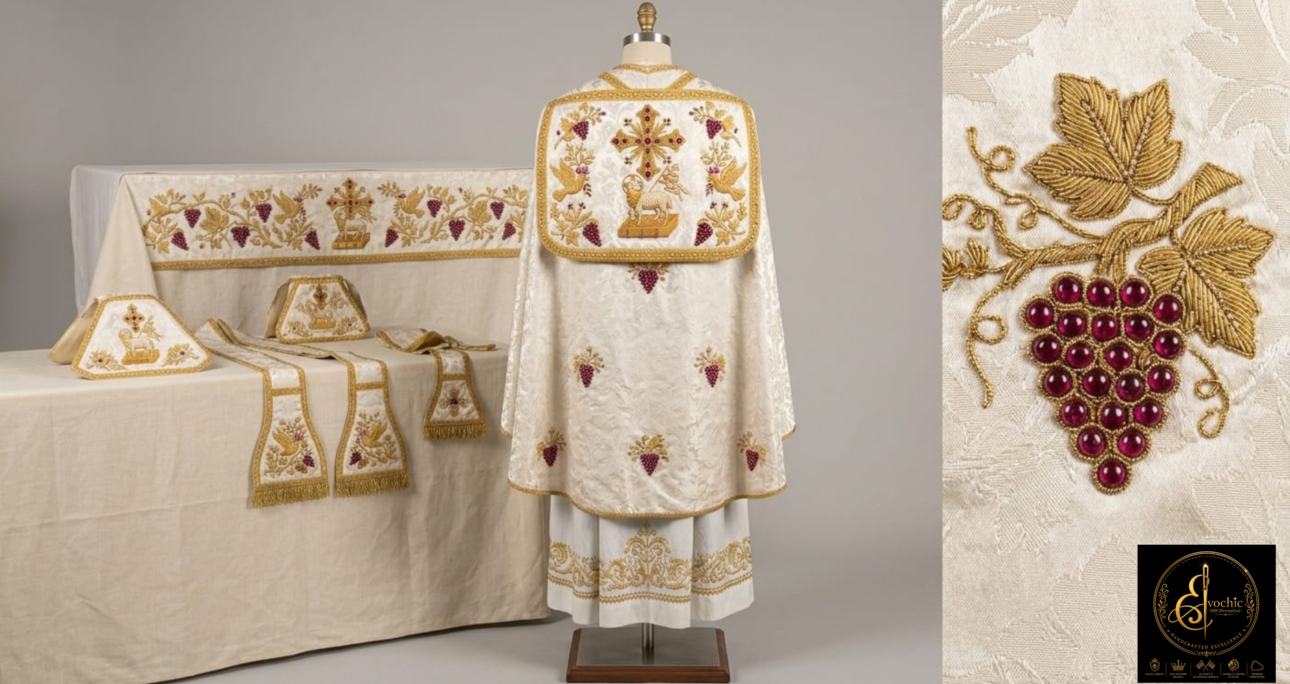
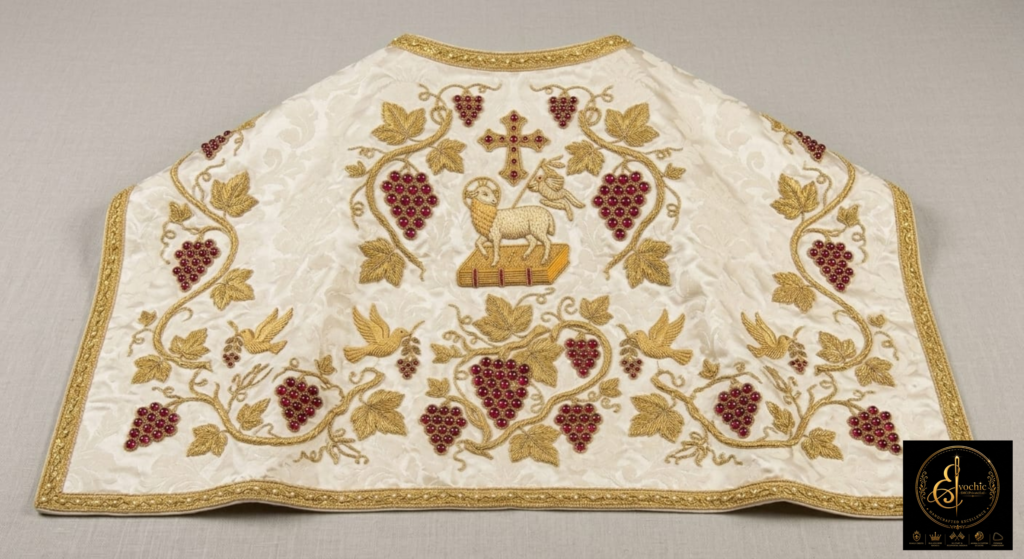
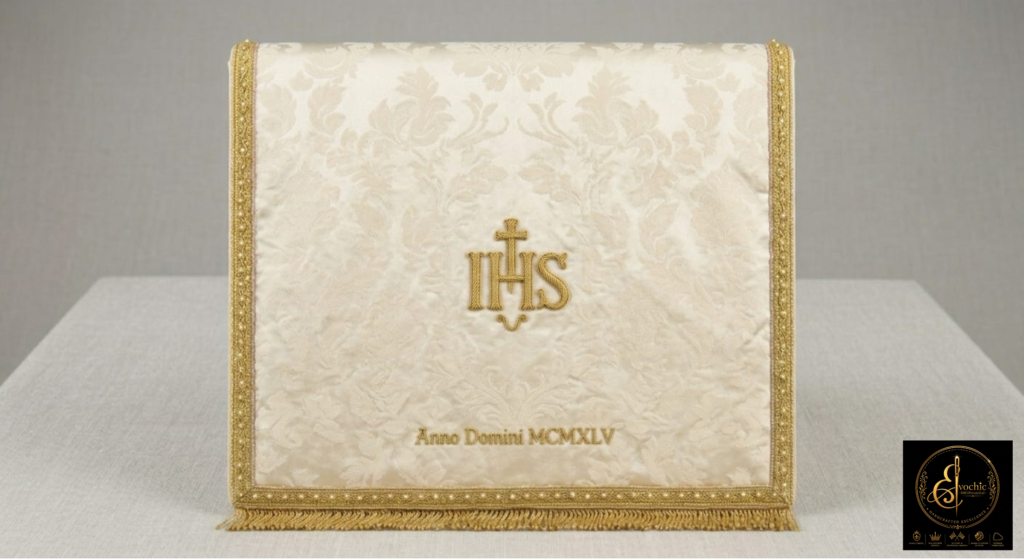
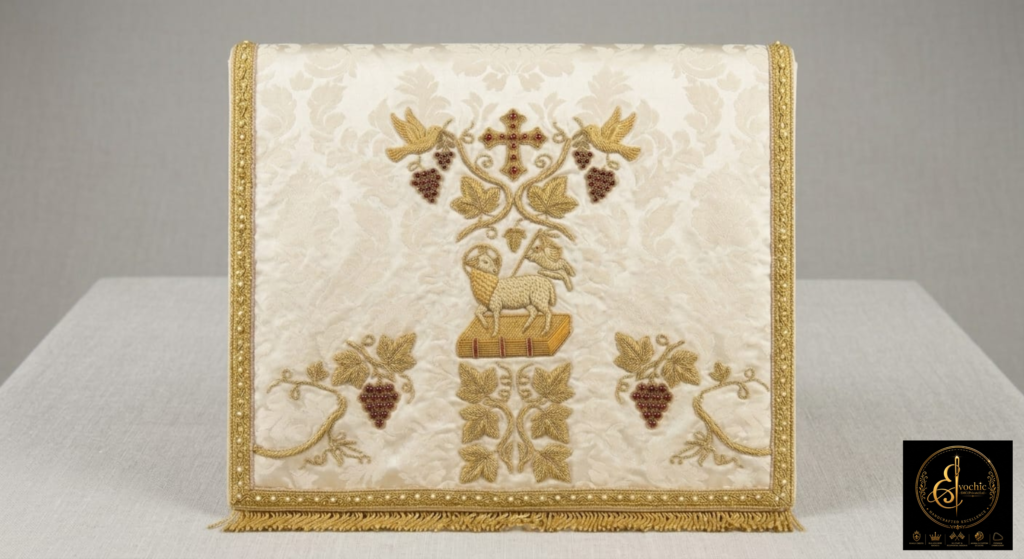
Many chasubles feature decorative embroidery, crosses, religious symbols, and intricate patterns that enhance their sacred appearance while maintaining comfort and durability.
Choosing the Right Church Chasuble
Selecting the right church chasuble involves several considerations:
- Liturgical season requirements
- Fabric quality and durability
- Comfort for extended services
- Traditional or contemporary design preferences
- Embroidery and symbolic details
- Church customs and denominational guidelines
A well-crafted chasuble not only supports the practical needs of clergy but also contributes to the beauty and reverence of worship.
The Importance of the Church Chasuble Today
Despite changing styles and modern influences, the church chasuble remains a cherished symbol of Christian ministry. It connects clergy with centuries of sacred tradition while helping congregations recognize the solemn nature of religious worship.
In many churches, the chasuble serves as a visible reminder of faith, service, and devotion. Its continued use demonstrates the enduring value of liturgical symbolism and the Church’s commitment to preserving meaningful traditions.
Conclusion
The church chasuble is far more than a ceremonial garment. It is a powerful symbol of faith, charity, and sacred service that has been treasured throughout Christian history. From its ancient origins to its role in modern worship, the church chasuble continues to inspire reverence and spiritual reflection. Whether adorned with elaborate embroidery or designed with simple elegance, this sacred vestment remains an essential part of Christian liturgical life and a meaningful expression of devotion to God.
Frequently Asked Questions (FAQs)
What is a church chasuble used for?
A church chasuble is worn by priests during the celebration of Mass and other liturgical services as the outermost sacred vestment.
Why is the church chasuble important?
It symbolizes charity, service, and the priest’s role in leading worship while maintaining the dignity and reverence of religious ceremonies.
What colors are church chasubles available in?
Church chasubles are commonly available in white, green, red, purple, rose, and gold, each representing specific liturgical seasons and celebrations.
What is the difference between a Gothic and Roman chasuble?
A Gothic chasuble has a wider, flowing design, while a Roman chasuble features a more structured and narrower shape.
Which Christian denominations use church chasubles?
Church chasubles are commonly used in Roman Catholic, Anglican, Lutheran, and certain Orthodox Christian traditions.
What materials are used to make church chasubles?
They are typically made from silk, polyester blends, linen, cotton, or brocade fabrics, often enhanced with decorative embroidery and religious symbols.