


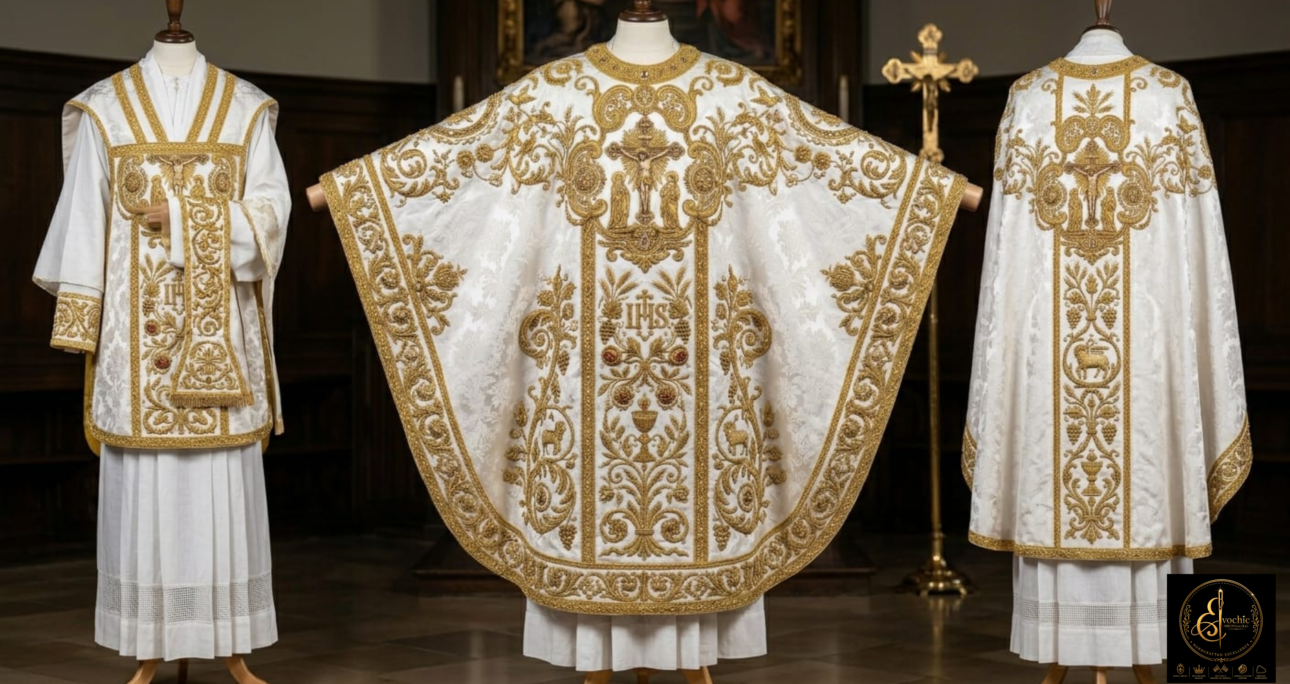
Church vestments and chasuble play a vital role in Christian worship, symbolizing faith, tradition, and sacred service. Discover their history, purpose, and significance.
Understanding Church Vestments and Chasuble
Church vestments and chasuble are important elements of Christian liturgical tradition. These sacred garments have been used for centuries to distinguish clergy during worship and to reflect the spiritual significance of religious ceremonies. More than simple clothing, church vestments carry deep symbolic meaning, connecting modern worship with centuries of Christian heritage.
Among all liturgical garments, the chasuble is one of the most recognizable and revered. Worn by priests during the celebration of the Eucharist, it serves as a visible symbol of devotion, service, and the sacred responsibilities of ministry.
What Are Church Vestments?
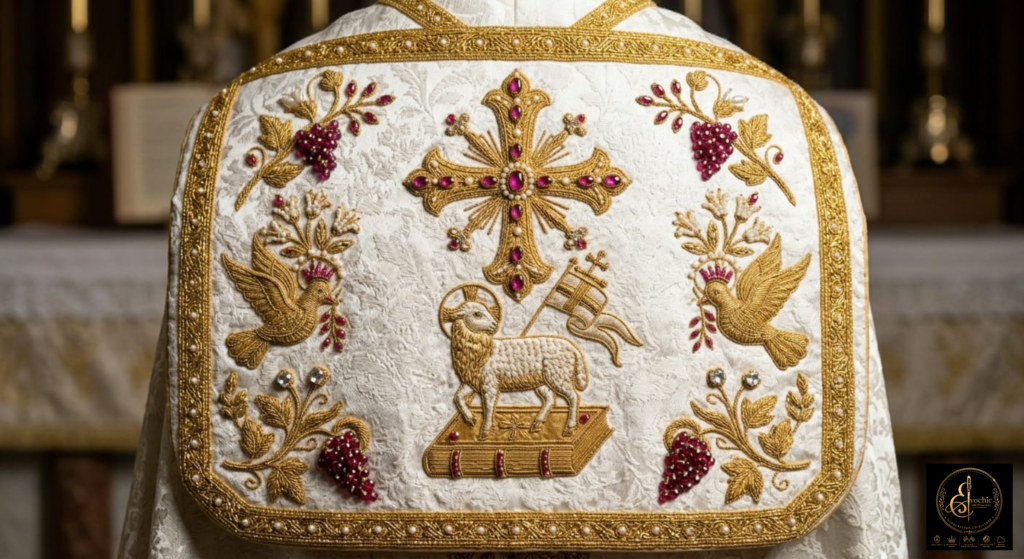
Church vestments are specialized garments worn by clergy and other church officials during religious services. These garments are designed to signify different roles within worship while creating a sense of reverence and unity in the liturgy.
Throughout Christian history, vestments have evolved from everyday clothing styles into sacred attire reserved specifically for worship. Their use helps distinguish liturgical celebrations from ordinary activities and emphasizes the spiritual nature of church services.
Common church vestments include:
- Chasuble
- Alb
- Stole
- Cincture
- Cope
- Dalmatic
- Surplice
Each vestment has its own purpose and symbolism, contributing to the beauty and solemnity of worship.
What Is a Chasuble?
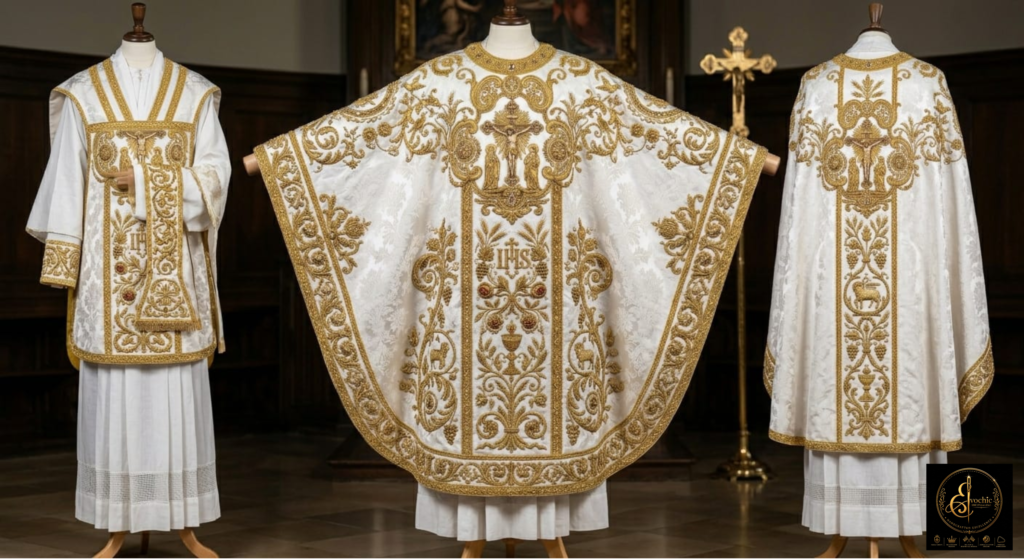
The chasuble is the outermost vestment worn by a priest during Mass and other important liturgical celebrations. It drapes over the shoulders and covers the body, creating a dignified and graceful appearance.
The term “chasuble” comes from the Latin word casula, meaning “little house” or “small shelter.” This name reflects the garment’s original design, which completely enveloped the wearer.
Today, the chasuble remains one of the most significant church vestments, symbolizing the priest’s role as a servant of Christ and the Church.
The History of Church Vestments and Chasuble
The origins of church vestments and chasuble can be traced back to the Roman Empire. Early Christians wore garments similar to those commonly used in society. As secular fashion changed over time, the Church retained certain styles for religious purposes.
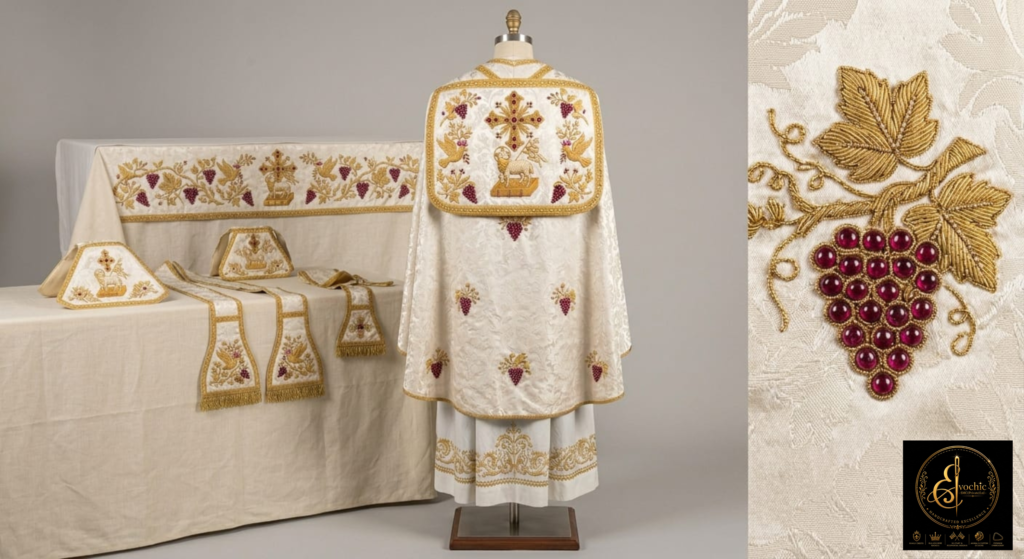
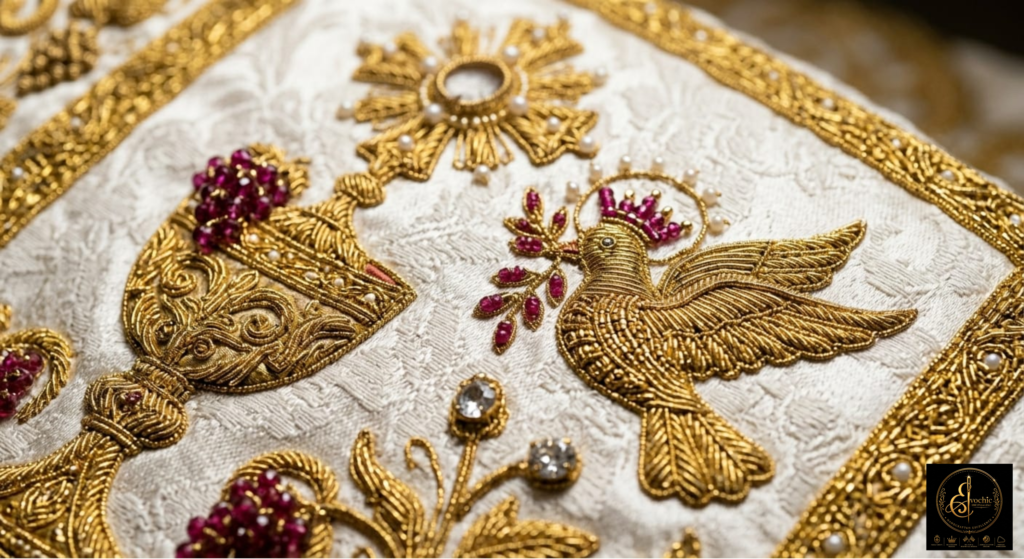
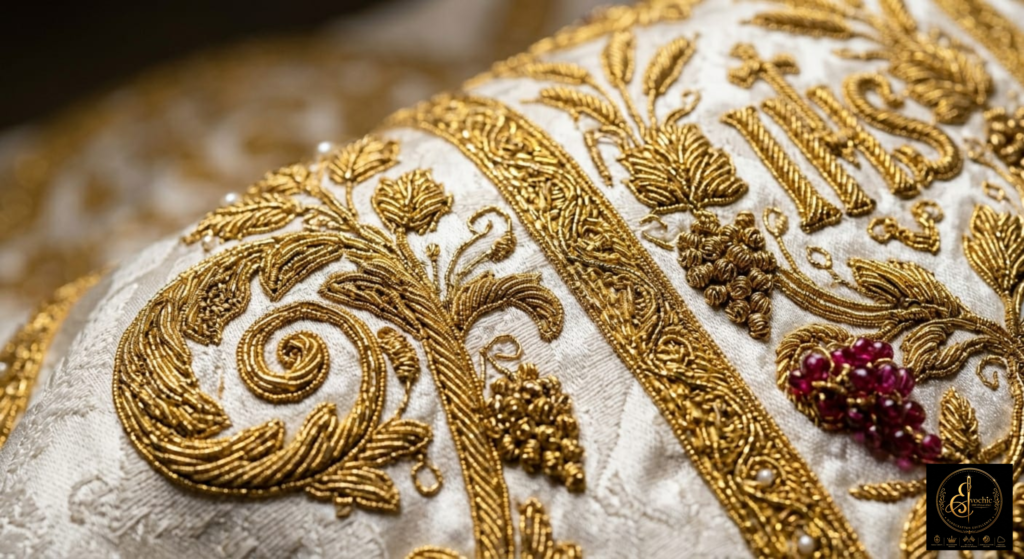
By the Middle Ages, church vestments became more ornate and symbolic. Skilled artisans created beautiful garments using fine fabrics, embroidery, and religious imagery. These artistic designs reflected the glory of God and the importance of sacred worship.
Although modern vestments vary in style and appearance, their essential purpose has remained unchanged: to support meaningful and reverent worship.
Symbolism of the Chasuble
The chasuble carries profound spiritual symbolism within Christian tradition.
A Sign of Charity
One of the most common interpretations of the chasuble is its representation of Christian love and charity. It reminds clergy to serve others with compassion and humility.
The Yoke of Christ
The chasuble symbolizes the responsibilities of priestly ministry and the commitment to follow Christ faithfully.
Sacred Service
By wearing the chasuble, priests visibly demonstrate their dedication to leading worship and administering the sacraments.
Unity in Worship
The garment also helps create a sense of order and unity within the liturgy, drawing attention to the sacred nature of the celebration.
Types of Chasubles
Different styles of chasubles are used throughout the Christian world.
Gothic Chasuble
The Gothic chasuble features a wide and flowing design. It is popular in many churches because of its comfort and elegant appearance.
Roman Chasuble
Also known as the fiddleback chasuble, this style is more structured and is often associated with traditional liturgical practices.
Semi-Gothic Chasuble
A blend of traditional and contemporary design elements, the semi-Gothic style offers flexibility and practicality.
Monastic Chasuble
Known for its simplicity, this style reflects the values of prayer, humility, and devotion found in monastic communities.
Liturgical Colors in Church Vestments
Color plays an important role in church vestments and chasuble traditions. Different colors correspond to specific seasons and celebrations within the Christian calendar.
White
Represents purity, joy, resurrection, and holiness.
Green
Symbolizes hope, growth, and spiritual renewal.
Red
Signifies sacrifice, martyrdom, and the presence of the Holy Spirit.
Purple
Associated with repentance, reflection, and preparation.
Rose
Expresses joy during periods of penance and anticipation.
Gold
Used for major feast days and especially solemn occasions.
Materials Used in Church Vestments
Modern church vestments and chasubles are crafted from various high-quality materials, including:
- Silk
- Linen
- Cotton
- Polyester blends
- Brocade fabrics
Many garments feature embroidered crosses, biblical symbols, and decorative patterns that enhance their beauty and spiritual significance.
Why Church Vestments Still Matter Today
Even in modern times, church vestments continue to play an essential role in worship. They help preserve sacred traditions, reinforce the dignity of religious ceremonies, and remind both clergy and congregations of the spiritual purpose of the liturgy.
For many believers, seeing priests dressed in traditional vestments creates a sense of continuity with generations of Christians who have worshipped before them. These garments serve as visual reminders of faith, commitment, and devotion to God.
Conclusion
Church vestments and chasuble remain central to Christian worship, reflecting centuries of faith, tradition, and sacred service. From their historical origins to their symbolic meaning in modern liturgy, these garments continue to enrich religious celebrations and inspire reverence among worshippers. Whether simple or ornate, the chasuble stands as a lasting symbol of ministry, charity, and devotion within the Church.
Frequently Asked Questions (FAQs)
What are church vestments?
Church vestments are special garments worn by clergy during religious services to signify their role and enhance the dignity of worship.
What is a chasuble?
A chasuble is the outermost liturgical vestment worn by priests during Mass and other sacred celebrations.
Why are church vestments important?
They symbolize spiritual service, preserve church traditions, and create a sense of reverence during worship.
What does the chasuble represent?
The chasuble symbolizes charity, sacred responsibility, and the priest’s commitment to serving Christ and the Church.
What colors are used for church vestments?
Common liturgical colors include white, green, red, purple, rose, and gold, each carrying a specific meaning.
Are church vestments still used today?
Yes, church vestments remain an important part of worship in many Christian denominations around the world.