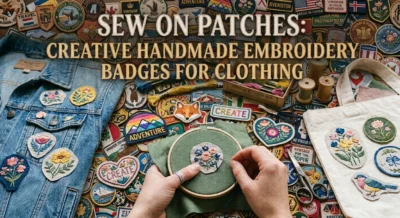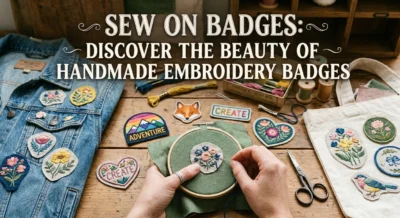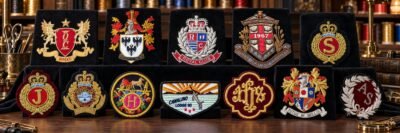

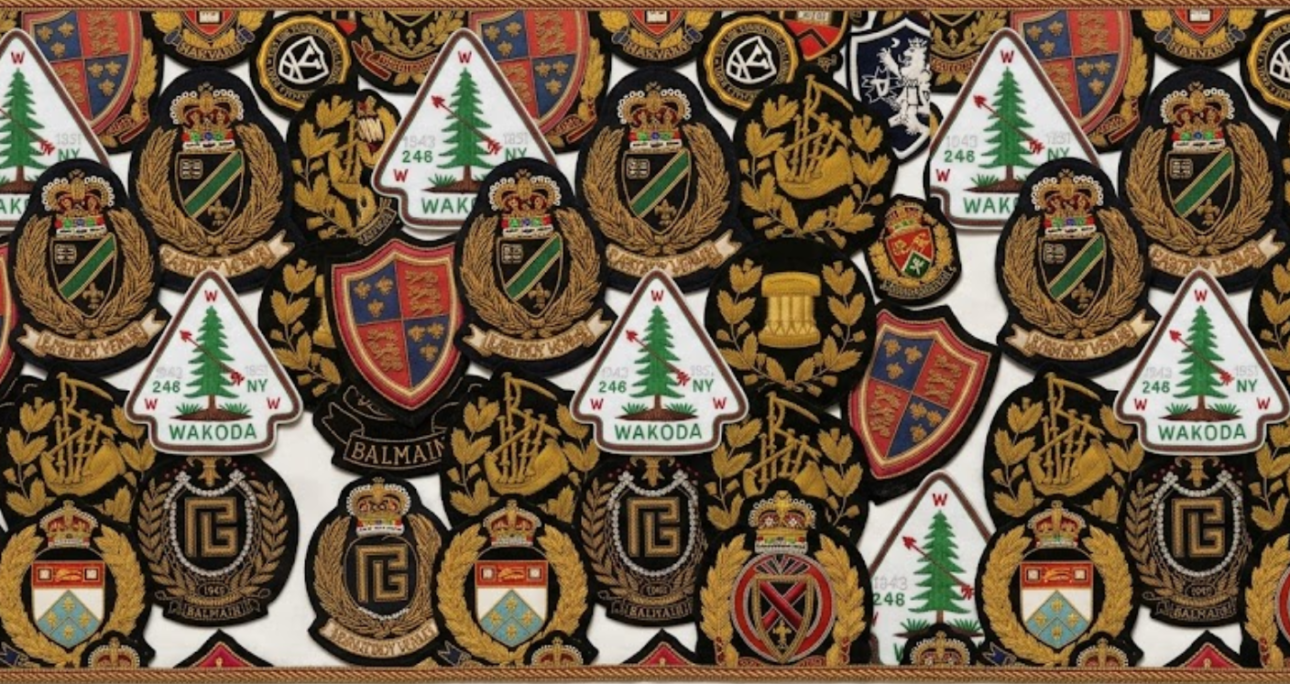
Top Rated Handmade embroidery is more than just a decorative art. It is a beautiful expression of creativity, culture, patience, and tradition that has been passed from one generation to another for centuries. In today’s modern world, where machines produce almost everything in bulk, handmade embroidery still holds a special place because of its uniqueness, elegance, and personal touch. Every stitch tells a story, making each embroidered piece one of a kind.
From traditional dresses and home décor items to modern fashion accessories, handmade embroidery continues to inspire designers and art lovers around the world. Whether it is floral patterns, cultural motifs, or customized designs, this timeless craft adds beauty and personality to fabric in a way that machines cannot fully replicate.
The Beauty of Handmade Embroidery
One of the most attractive features of handmade embroidery is its authenticity. Unlike machine-made designs, hand embroidery reflects the emotions, effort, and creativity of the artisan. Every thread is carefully stitched with precision and care, creating a rich texture and elegant appearance.
Handmade embroidery is often associated with luxury because it requires time, skill, and dedication. Skilled artisans spend hours or even days completing detailed patterns. This attention to detail gives embroidered products a premium and artistic value.
The beauty of embroidery lies in its versatility. It can transform a simple piece of fabric into a masterpiece. Whether used on clothing, handbags, cushions, table runners, or wall art, embroidery adds charm and sophistication to everyday items.
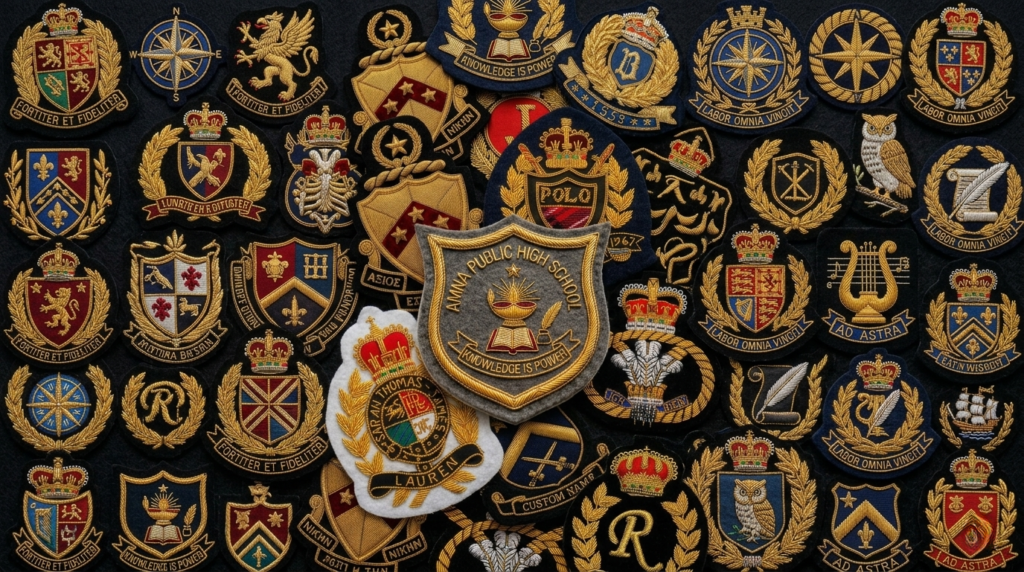
History and Cultural Importance
Embroidery has existed for thousands of years in different cultures across the globe. Many countries developed their own embroidery styles based on traditions, colors, and local techniques. In South Asia, especially in Pakistan and India, embroidery is deeply connected with cultural identity and traditional fashion.
Techniques such as mirror work, zari work, thread embroidery, and bead embellishment have been admired for generations. Handmade embroidered dresses are often worn at weddings, festivals, and special occasions because they represent elegance and heritage.
In many regions, embroidery is not only an art form but also a source of livelihood for skilled craftsmen and women. Families pass these skills from parents to children, keeping cultural traditions alive through every stitch.
Different Types of Handmade Embroidery
There are many styles of handmade embroidery, each with its own beauty and technique. Some popular types include:
Cross Stitch Embroidery
This technique uses X-shaped stitches to create detailed patterns. It is commonly used for decorative artwork and home décor.
Floral Embroidery
Floral patterns are among the most loved embroidery styles. Roses, leaves, vines, and colorful flowers create elegant and feminine designs.
Mirror Work Embroidery
Popular in traditional South Asian fashion, mirror work involves attaching small mirrors to fabric with decorative stitching.
Bead and Sequin Embroidery
This style combines threads with beads, pearls, and sequins to create luxurious and glamorous designs often used on bridal dresses.
Traditional Thread Embroidery
Simple yet elegant, thread embroidery focuses on artistic stitching patterns made entirely with colorful threads.
Why Handmade Embroidery Is Still Popular
Even in the age of modern technology, handmade embroidery remains highly valued for several reasons.
Unique Designs
No two handmade embroidered pieces are exactly the same. This uniqueness makes every product special and personal.
High Quality
Hand embroidery often lasts longer because it is created with careful craftsmanship and durable stitching techniques.
Artistic Value
People appreciate the creativity and effort involved in handmade work. It reflects true artistry rather than mass production.
Eco-Friendly Craft
Handmade embroidery usually requires fewer machines and less industrial processing, making it a more sustainable and environmentally friendly option.
Emotional Connection
Handmade products often carry sentimental value. Many people treasure embroidered items because they represent love, memories, and tradition.
Handmade Embroidery in Modern Fashion
Fashion designers around the world continue to use handmade embroidery in modern clothing collections. Embroidered jackets, abayas, sarees, shawls, handbags, and shoes are becoming increasingly popular because they combine traditional craftsmanship with modern style.
Luxury brands also include embroidered details in their collections to create exclusive and elegant designs. Customized embroidery is especially in demand because customers love personalized fashion that reflects their individuality.
Social media has also helped revive interest in handmade embroidery. Small businesses and artisans now showcase their handmade creations online, reaching customers globally and promoting traditional craftsmanship.
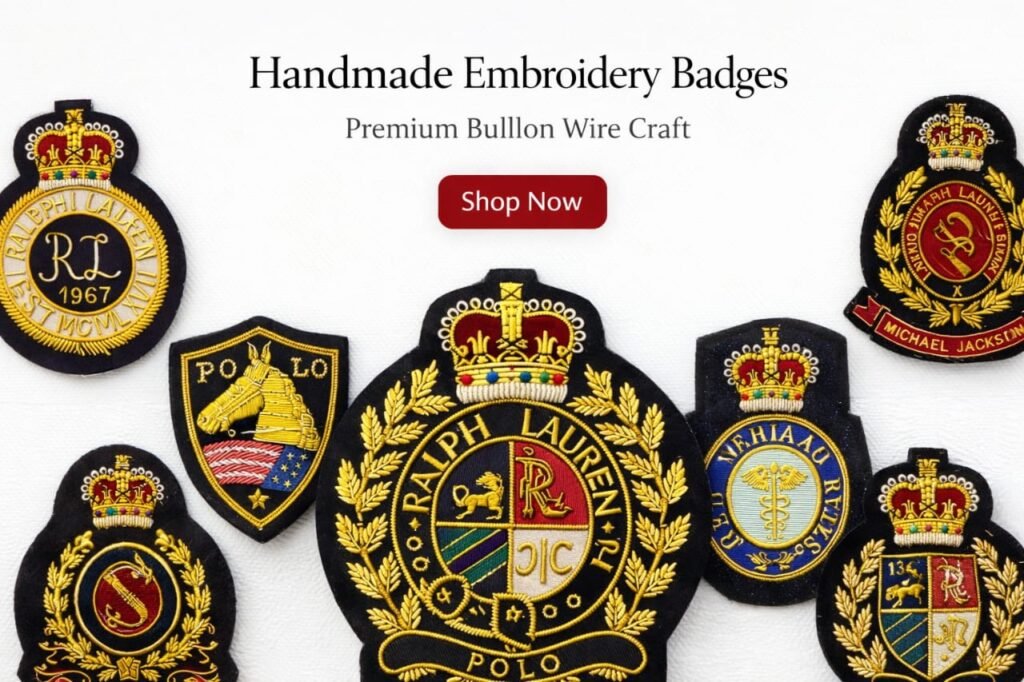
Caring for Handmade Embroidery
Proper care is important to maintain the beauty and quality of embroidered items. Here are a few simple tips:
- Wash embroidered fabrics gently by hand when possible.
- Avoid harsh detergents or bleach.
- Store embroidered items in a clean and dry place.
- Iron carefully from the backside to protect the stitches.
- Keep delicate embroidery away from excessive sunlight to prevent fading.
With proper care, handmade embroidery can remain beautiful for many years.
The Future of Handmade Embroidery
As people increasingly value handmade products and sustainable fashion, the future of handmade embroidery looks bright. Consumers are now more interested in craftsmanship, originality, and supporting local artisans rather than buying mass-produced items.
Many young artists are also learning embroidery as a creative hobby and professional skill. Online tutorials, workshops, and digital platforms are helping preserve this traditional art while introducing modern styles and innovative ideas.
Handmade embroidery continues to connect tradition with modern creativity, proving that true craftsmanship never goes out of style.
FAQs
What is handmade embroidery?
Handmade embroidery is the art of decorating fabric using needle and thread stitched by hand instead of machines.
Why is handmade embroidery expensive?
It requires time, skill, patience, and detailed craftsmanship, making each piece valuable and unique.
Is handmade embroidery durable?
Yes, high-quality handmade embroidery can last for many years when properly cared for.
What fabrics are best for embroidery?
Cotton, linen, silk, velvet, and wool are commonly used for embroidery because they hold stitches well.
Can handmade embroidery be customized?
Yes, many artisans create personalized embroidery designs based on names, patterns, logos, or customer preferences.
Is handmade embroidery eco-friendly?
Compared to machine production, handmade embroidery is generally more sustainable because it involves less industrial processing and energy use.
Top Rated Handmade Embroidery
Handmade embroidery is a timeless art that beautifully blends creativity, tradition, and craftsmanship. Every embroidered design carries the passion and dedication of the artisan behind it. From cultural heritage to modern fashion, this elegant craft continues to inspire people around the world.
In a world filled with machine-made products, handmade embroidery stands out because of its authenticity, uniqueness, and emotional value. Whether used in clothing, accessories, or home décor, embroidered creations bring warmth, beauty, and artistic charm that never fades.